
Threshold Review: WINCTRL URSA Minor 32 Throttle & 32 PAC Metal
I recently had the opportunity to test the new URSA Minor 32 Throttle Metal and its companion, the 32 PAC Metal, both manufactured by WINCTRL, formerly known as WinWing. This is a dual-lever throttle quadrant, with a dedicated add-on module for flaps, speed brake, parking brake, and rudder trim, aiming to model the Airbus A320’s engine controls and centre console in great detail.
In this review, I will share my first impressions, observations on build quality, a rundown of features, and how the unit performed in action.
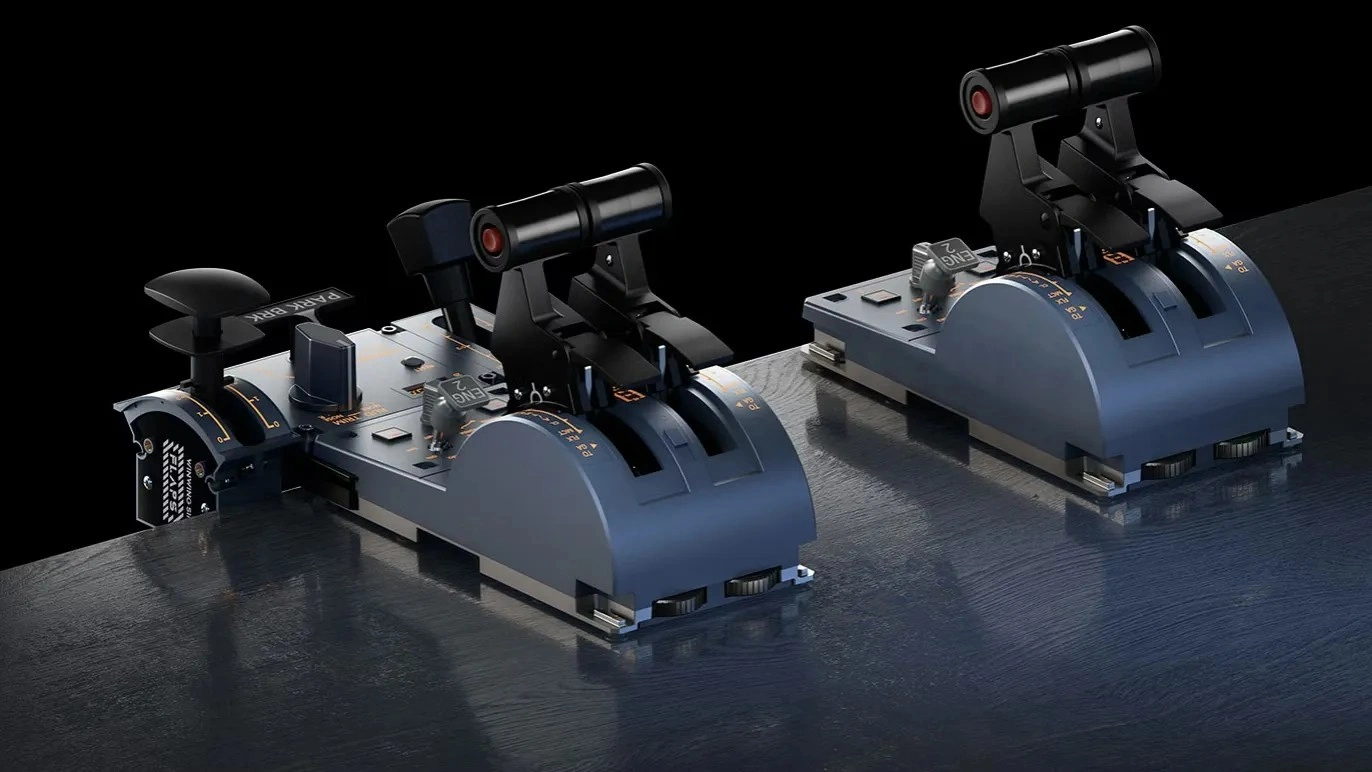
Before diving in, though, I want to be clear that I’m absolutely not an A320 pilot, or any kind of real-world professional. This won’t be an objective or technical evaluation, but rather a personal look at what the hardware feels like to use, how it performs in a home sim environment, and where it might fit for others with similar interests.
WINCTRL kindly provided a review unit for evaluation, but all opinions, observations, and conclusions expressed in this review are of course entirely my own.
Packaging and First Impressions
The URSA Minor 32 Throttle Metal comes encased in a custom-cut foam insert, with accessories (USB cable, mounting pads, tools, and engine label stickers) appropriately organised. A separate box contains the 32 PAC Metal module and its parts, also protected in foam. The packaging is impressively solid, everything is well-supported, ensuring the metal components and levers arrive in good condition.
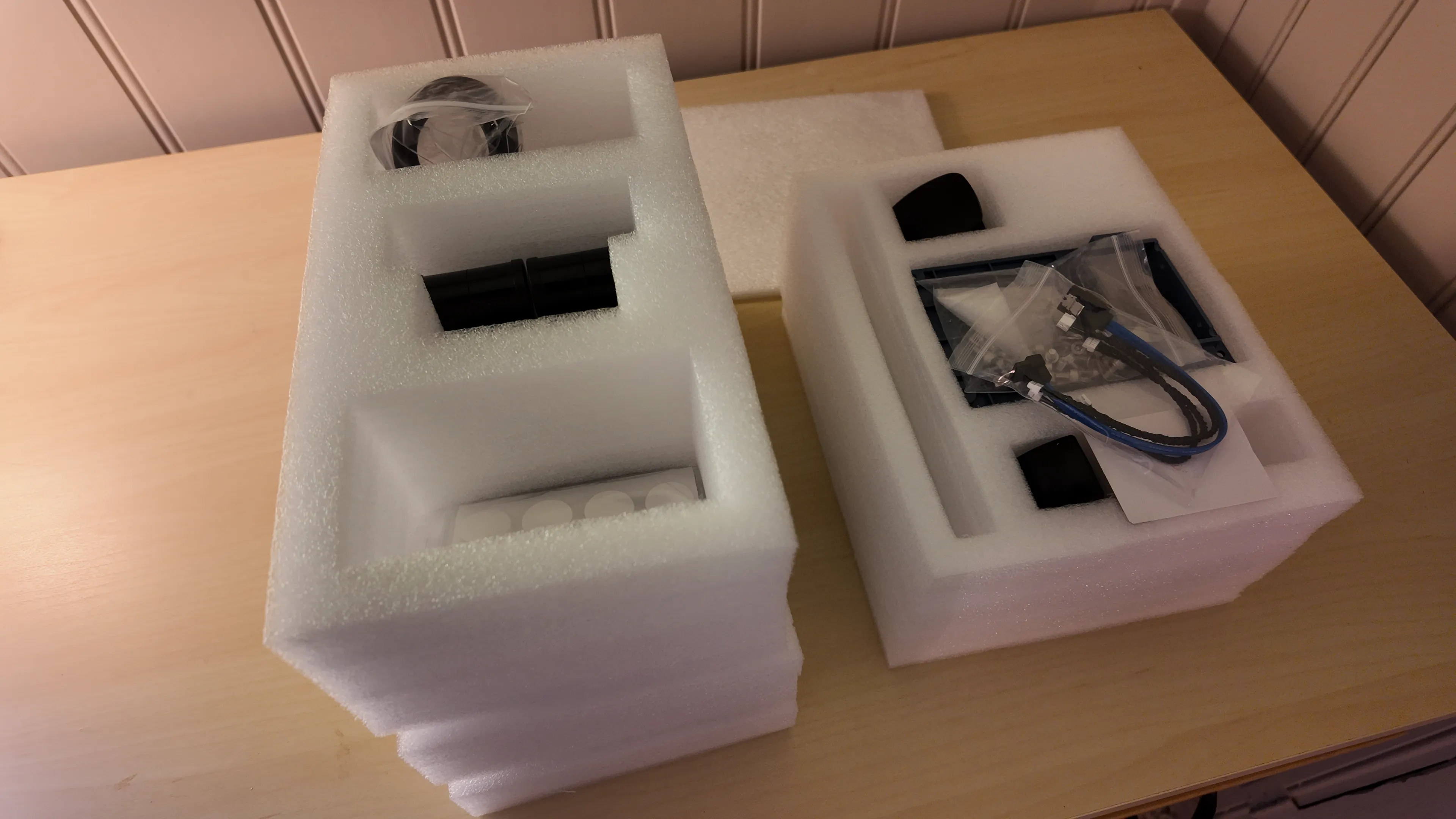
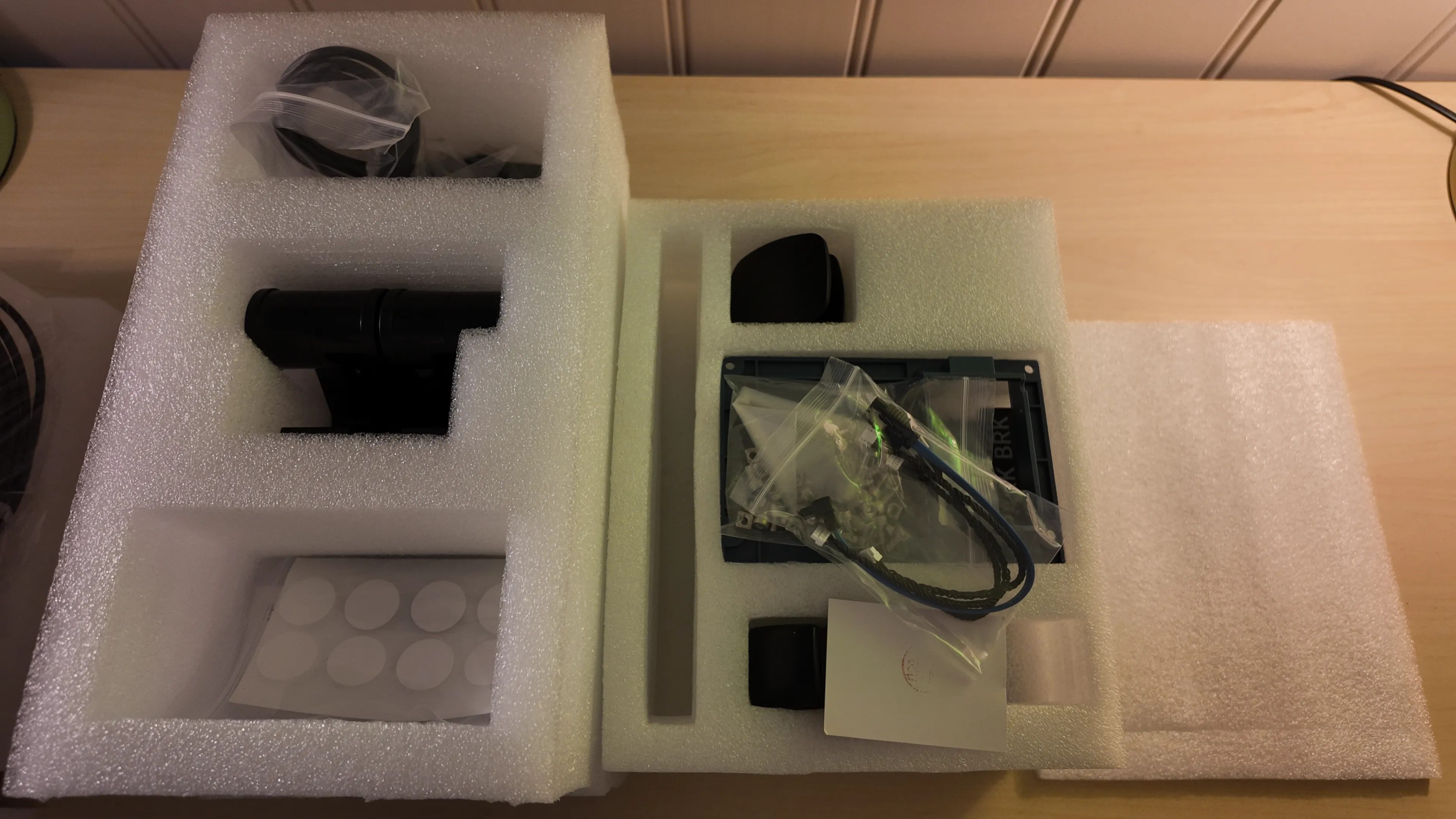
Both the throttle and PAC ship in two separate boxes; they’re obviously separate products, and the unboxing experience is straightforward.
In the throttle’s box, I found a USB data cable, a set of nano double-sided adhesive pads for desk mounting, a hex wrench, and four engine-number stickers for labelling (helpful if you plan to use these units for more than two engines). A quality assurance certificate is also included, indicating the unit passed checks before shipping.
Finally, cradled in foam, is the throttle unit itself, with its twin thrust levers already attached.
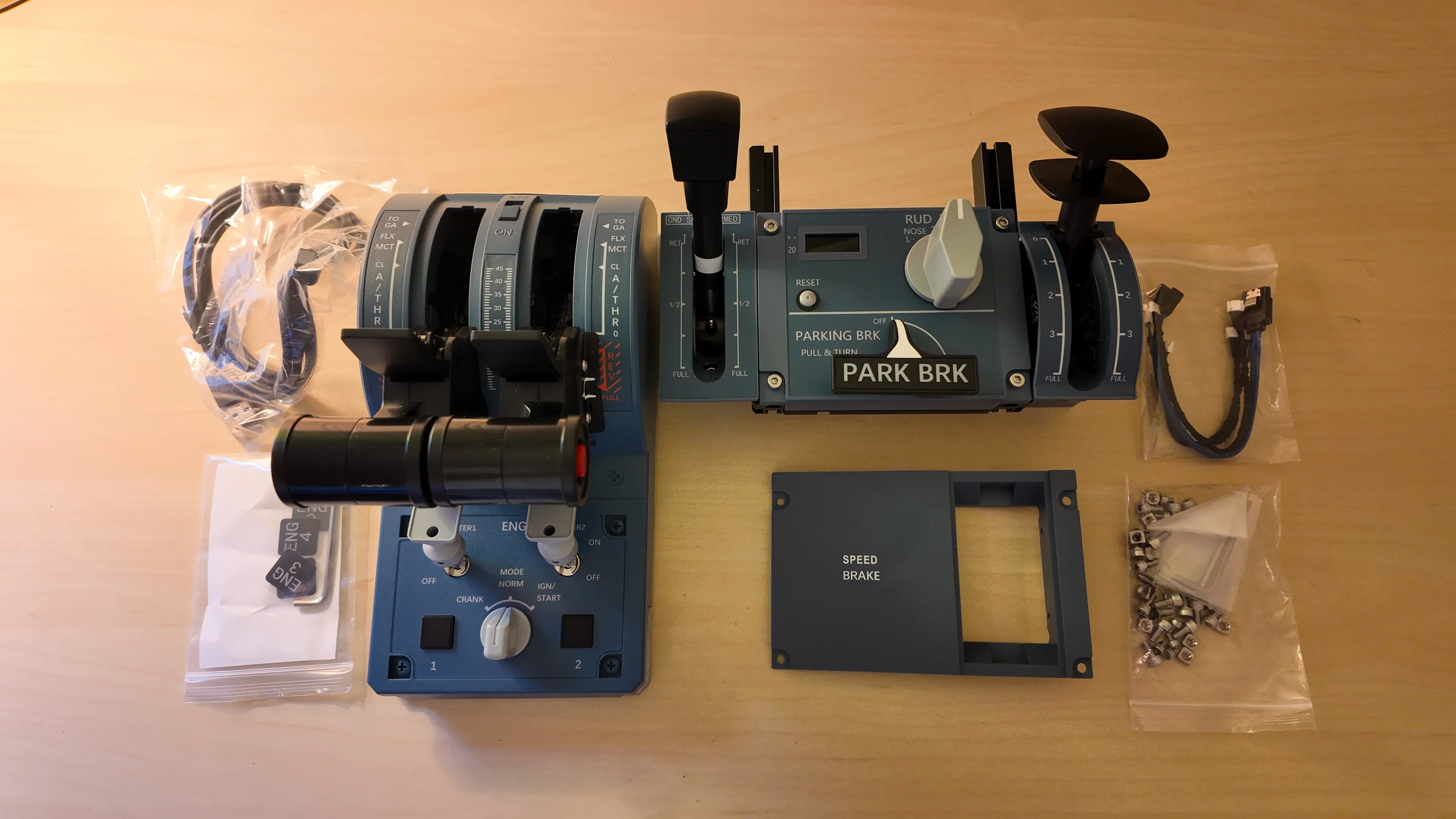
In the PAC’s box, there is a short SATA-style data cable (plus an extra spare cable) to link the PAC to the throttle, a bag of screws, and another hex tool for mounting the two units together. You’ll also find a QA card, two metal detent plates (one each for the speed brake and flap mechanisms), and the PAC module itself. Everything is once again packed in cut-to-fit foam, so nothing shifted in transit.
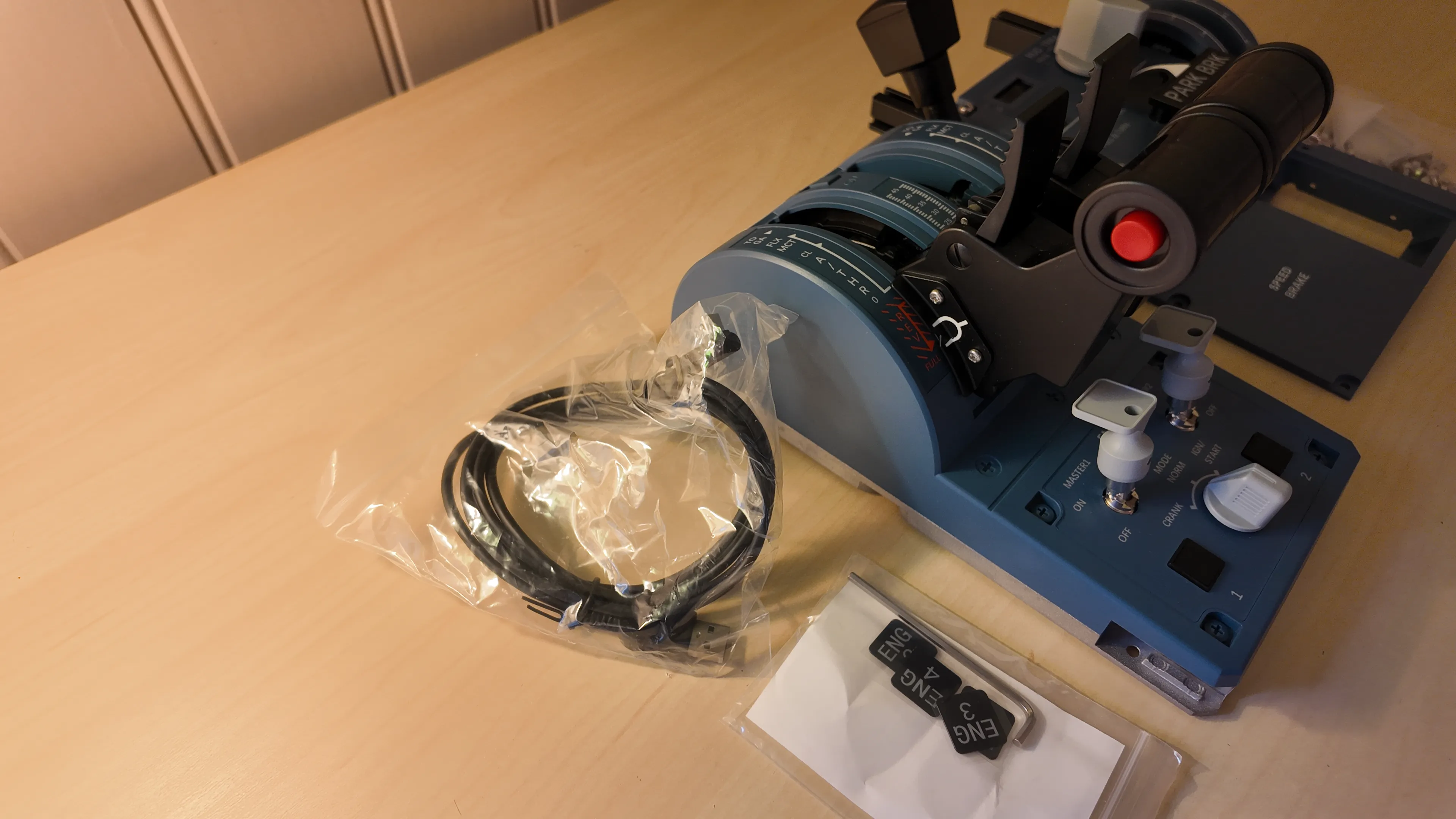
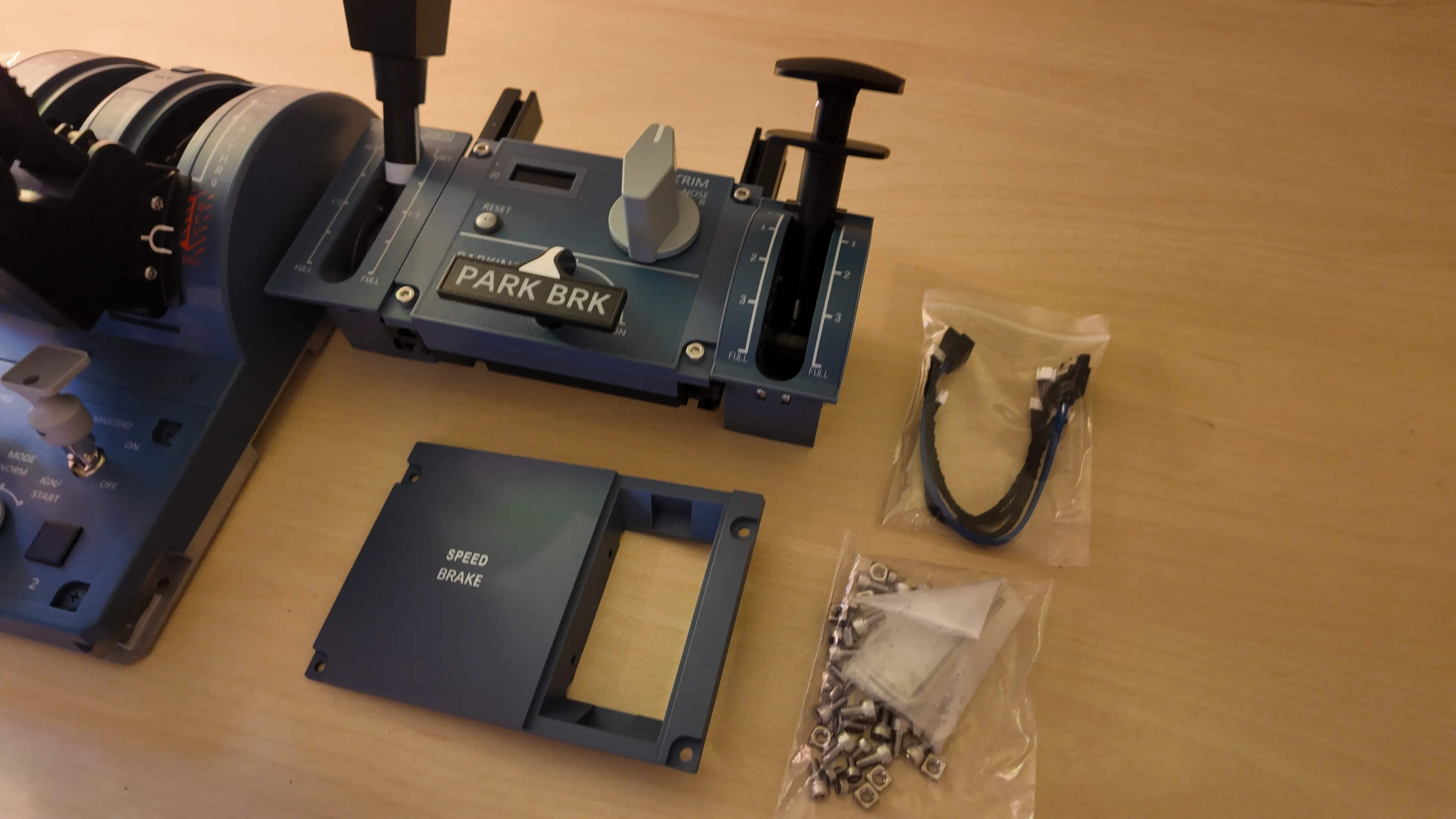
My first impressions of picking up the hardware were immensely positive. The throttle unit has a surprisingly hefty weight, thanks to its metal base and internals. It feels sturdy, heavy-duty and almost professional. The levers move smoothly, yet with authority, as you slide them out of the foam for the first time.
Coming from other consumer-grade Airbus throttles I have tried, the URSA Minor immediately stood out as an incredible step up in quality; it almost makes similar hardware feel like toys in comparison. The finish and metal construction really make it feel like you are handling something proper.
I did find myself handling it a bit gingerly at first, almost afraid that such a premium-feeling device might be fragile, but that concern proved largely unwarranted in use. Overall, the unboxing and initial feel set high expectations for the product’s potential and left me very excited to take it for a spin.
Mounting and Setup
Out of the box, the throttle base includes anti-slip rubber feet and optional adhesive pads, which are sufficient for light desk use, especially given the unit’s weight of around 2.8 lbs. It generally stays in place during normal operation, but with higher friction settings, firm detent inputs, or repeated spoiler use, a more secure mounting solution is recommended. The unit does not include a clamp, though the underside features mounting holes, and WINCTRL offers a dedicated desk mount and profile bracket. Desk placement is workable, but slight movement can occur under heavier inputs, so hard mounting significantly improves stability and overall feel.
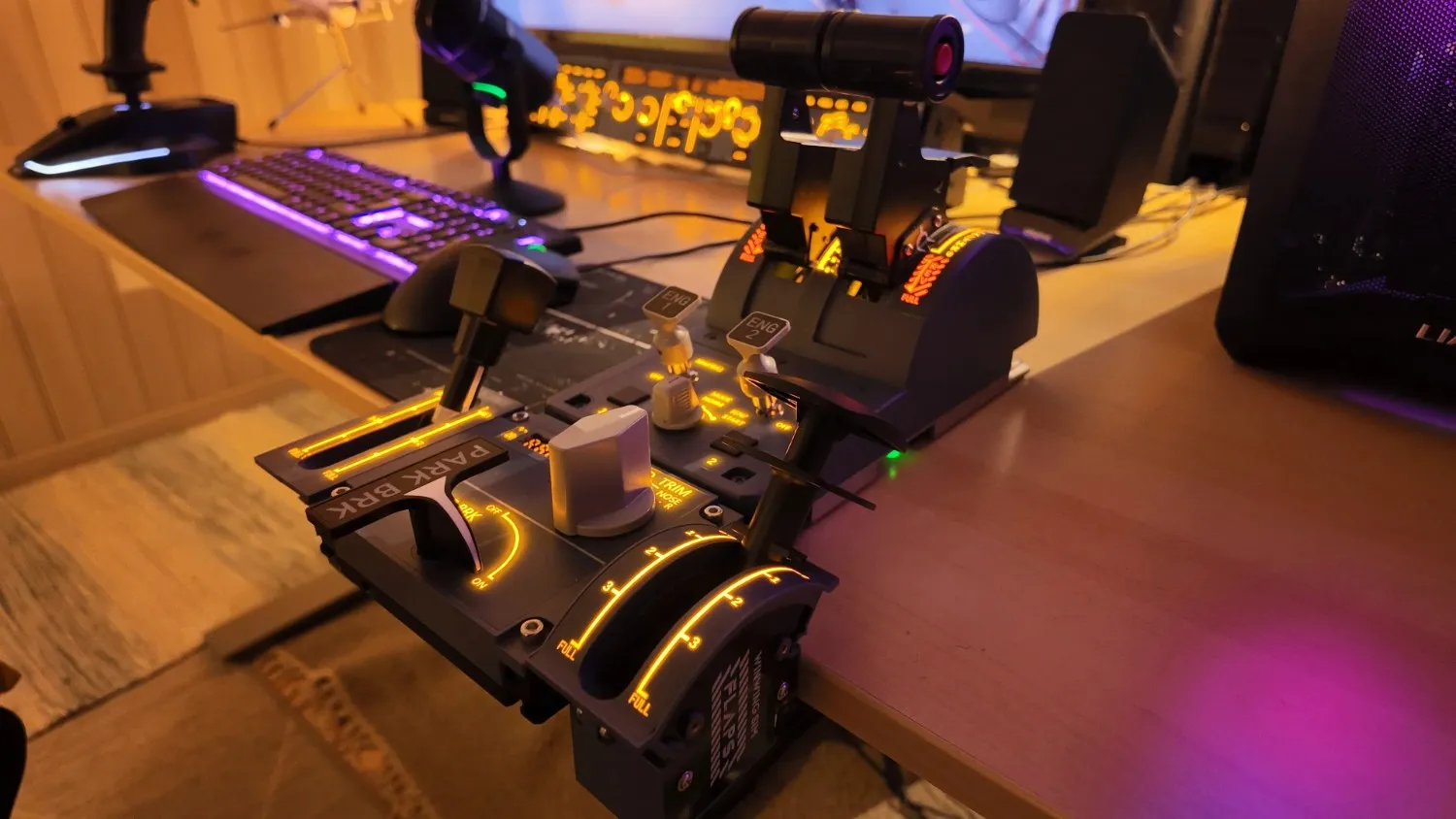
As an add-on, the PAC module attaches directly to the main throttle quadrant through a simple bracket system. You attach it by simply sliding the two front-mounted brackets into the rails on the throttle base. Screws can be installed from underneath for a fully rigid connection, but in practice, the bracket system alone holds the PAC firmly enough for regular use.
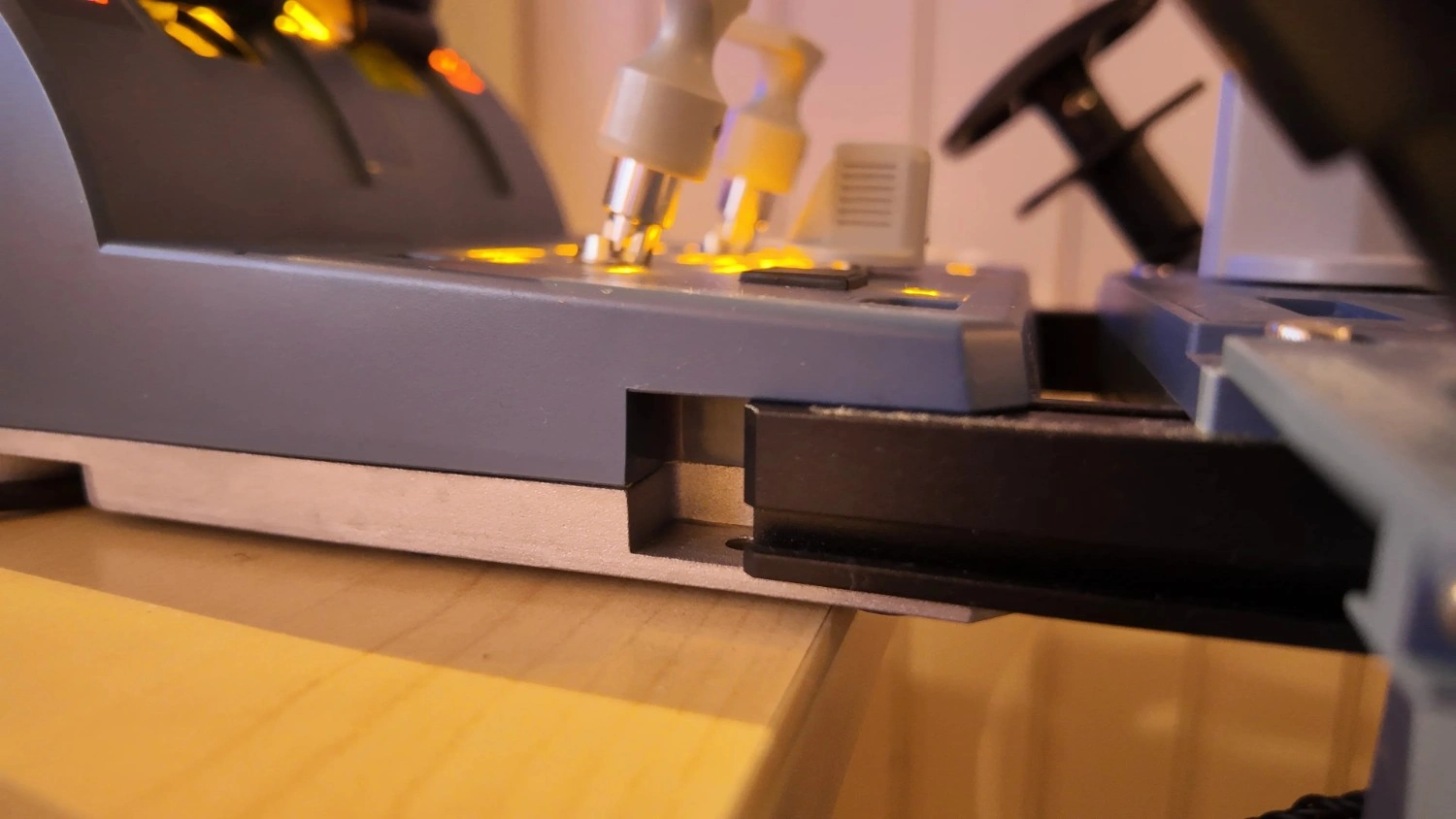
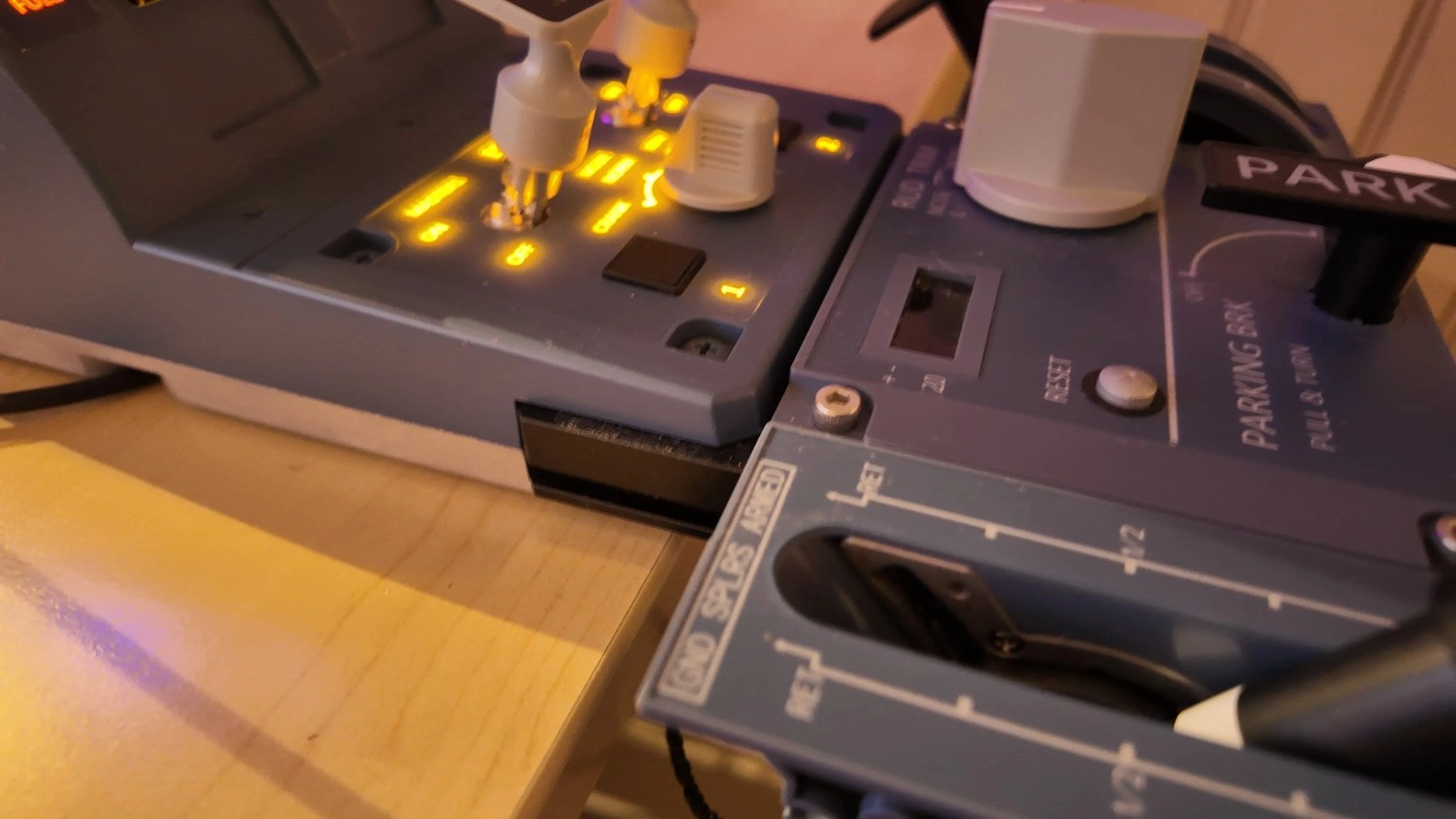
Under very heavy input it can move slightly, though not significantly, and once the short data cable is connected between the two units, it naturally helps stabilise and lock the assembly in place. Cable management is refreshingly simple, as the PAC connects directly to the throttle via that short data cable, and from there only a single USB cable runs to the PC, carrying both power and data through the cascade connection.
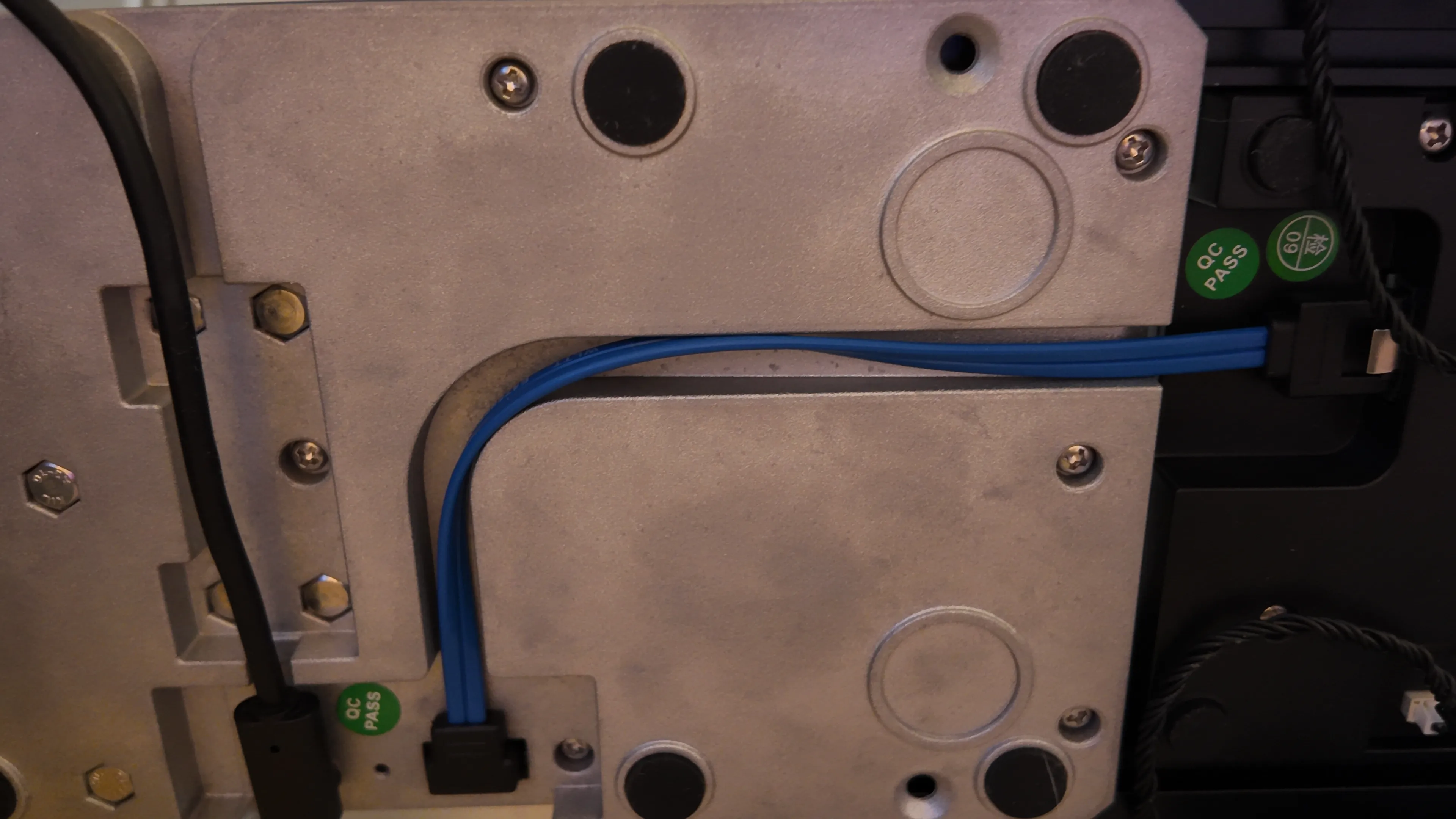
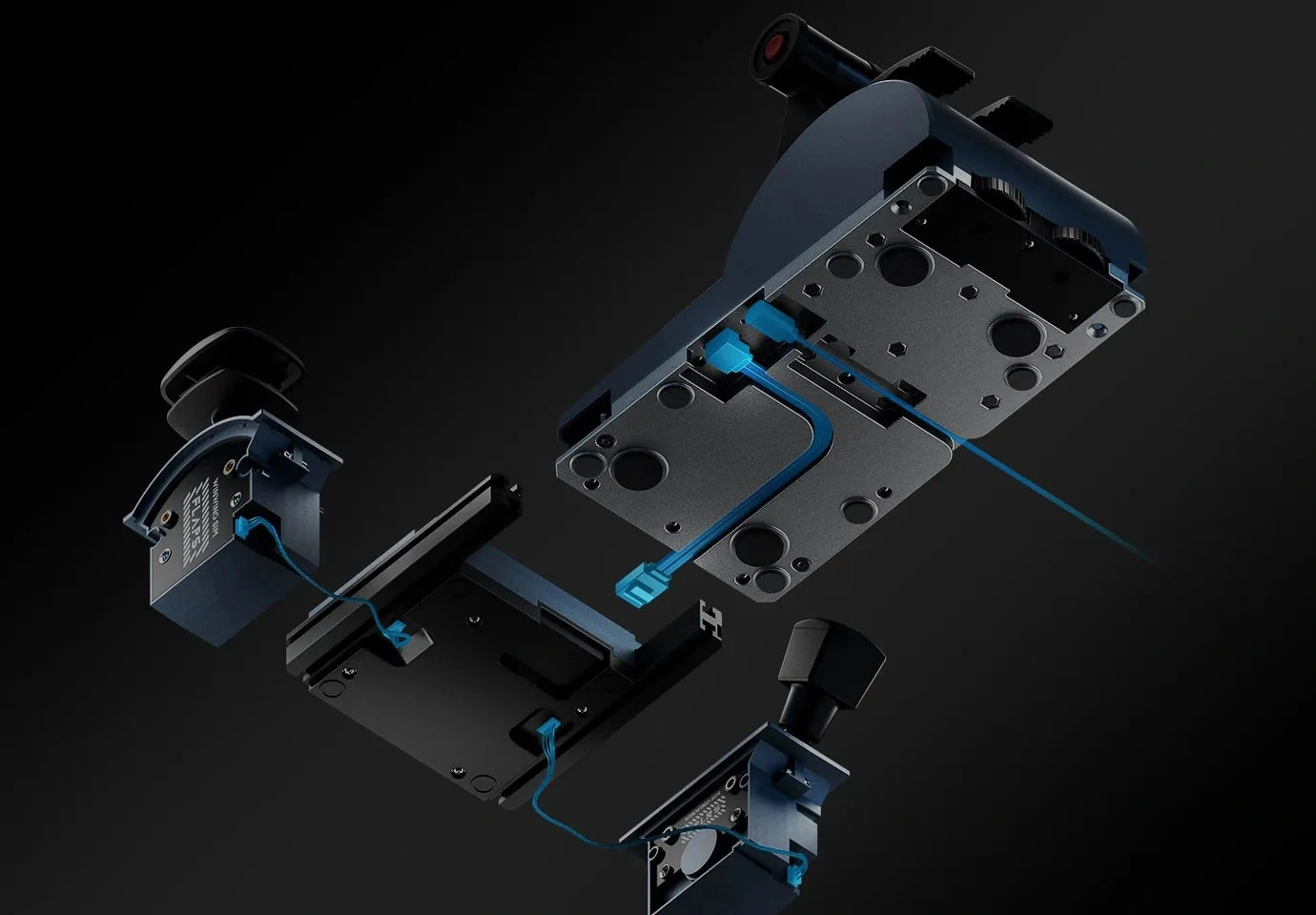
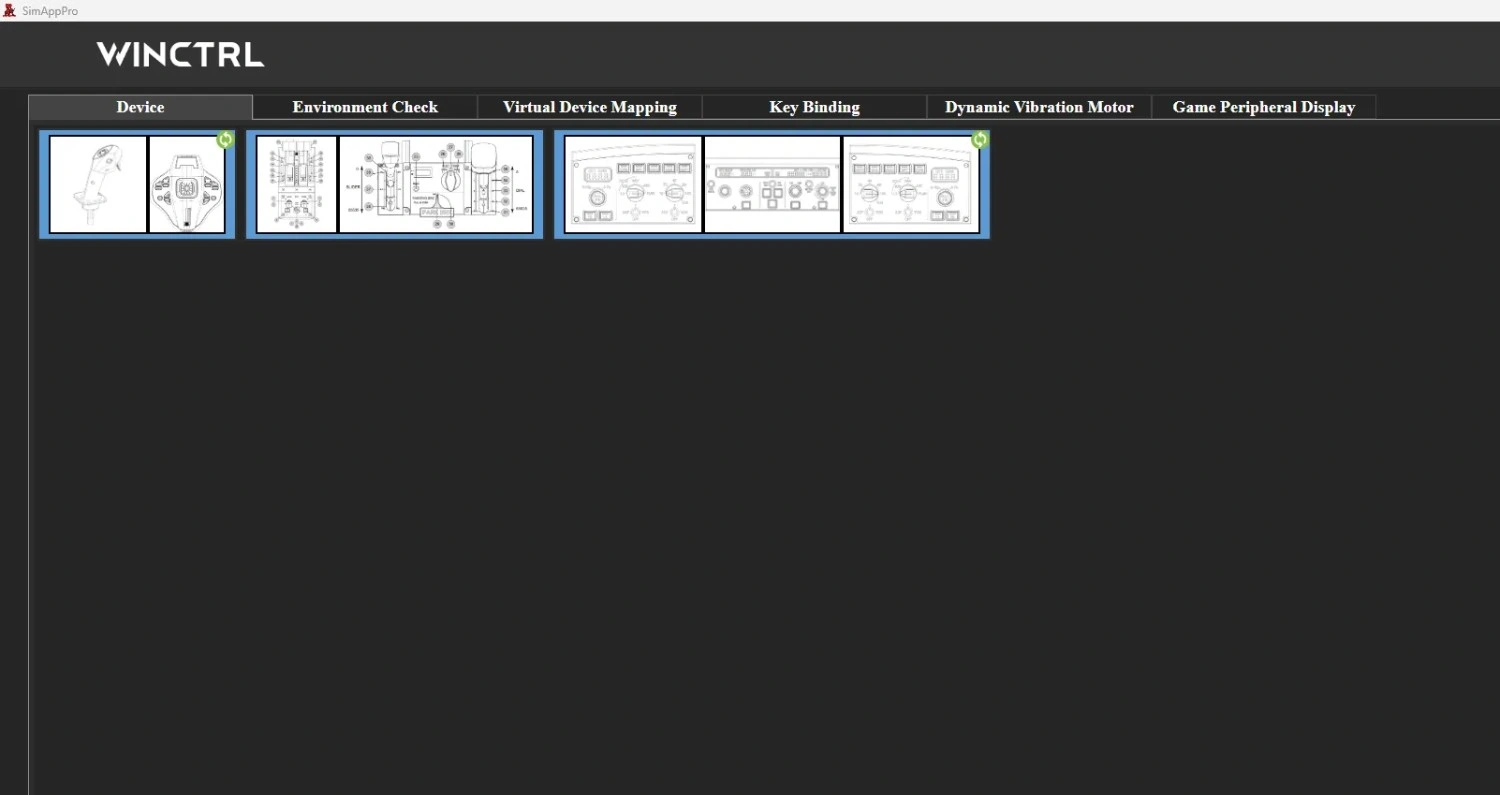
Software setup requires a bit more time, but overall worked reliably. The hardware is managed through WINCTRL’s SimAppPro software, which handles drivers, firmware, calibration, and profiles. The software can be downloaded through WINCTRL’s Download Center.
Once connected, both the throttle and PAC were detected immediately, and SimAppPro prompted a firmware check. Initial axis calibration is required, particularly for the flaps and speed brake, as outputs may be incorrect until properly set. The guided calibration process simply involves moving each lever through its full range and detents, takes only a few minutes, and typically only needs to be done once.
SimAppPro can feel cumbersome and somewhat overwhelming at first, with many tabs and configuration menus, and I would not describe it as especially user-friendly. However, once calibrated, daily use is straightforward. I enabled automatic startup, allowing lighting sync, vibration feedback, and status indicators to run seamlessly in the background. The software supports multiple aircraft profiles, useful if switching between Airbus, Boeing, or other types. When testing with the Fenix A320, the preset bindings worked immediately after calibration, saving considerable setup time, though manual mapping remains available for finer control.
Using non-Airbus aircraft requires additional setup, particularly for flap mappings due to fixed lever positions. With detents disabled, however, the throttle axes become fully continuous, making the unit versatile enough for turboprops, widebodies, and a wider range of aircraft beyond its Airbus-focused design.
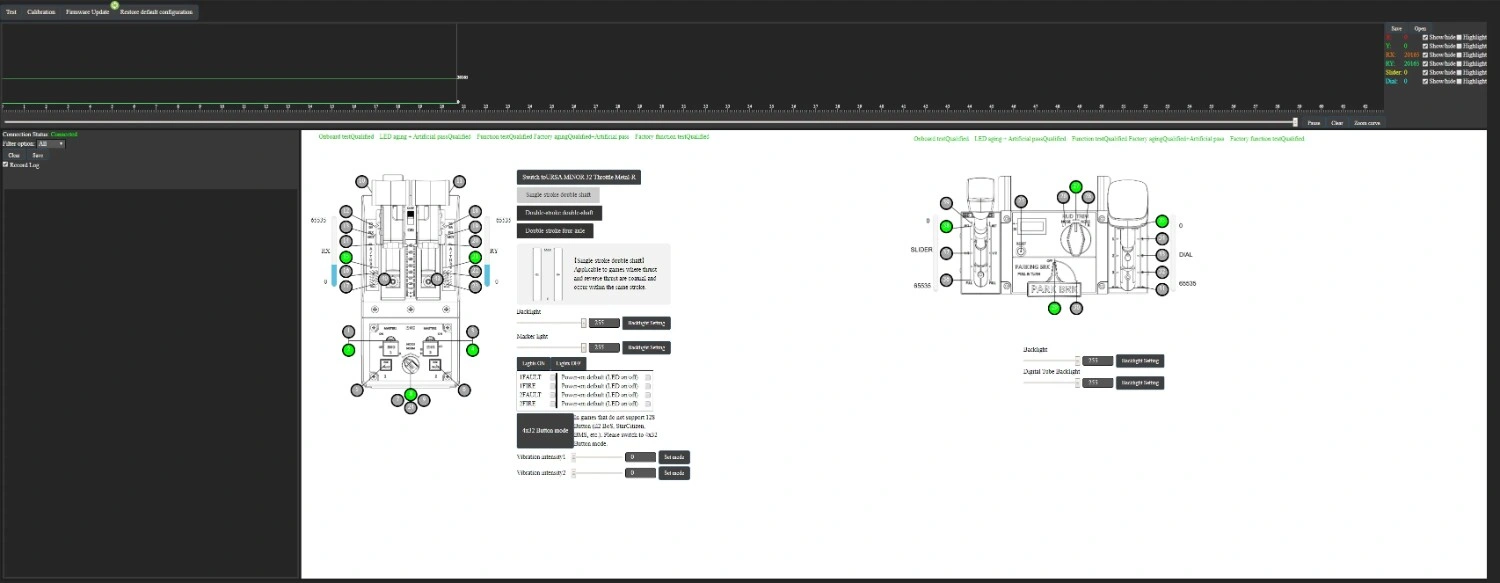
On top of this, I completed the Fenix in-sim calibration through the EFB, which ensured the hardware detents aligned precisely with the aircraft logic and eliminated minor discrepancies, such as reverse idle initially registering too aggressively.
Build Quality and Construction
The build quality of the URSA Minor 32 Throttle and PAC combo is, on first impressions, very good.
WINCTRL advertises a full metal core, and the foundation is indeed a thick, die-cast aluminium baseplate that adds noticeable weight and rigidity. There is no flex when pressing or twisting the unit, and it feels solid and substantial in the hand.
Internally, the throttle axes use contactless Hall-effect sensors for precision and long-term durability, eliminating traditional potentiometer wear. Externally, the larger components feel equally robust, with long main throttle levers and metal-framed flaps and spoiler levers on the PAC module.
While the base and internal structure are metal, the throttle handles and certain lever components are high-grade plastic moulded over the metal core, not unlike the construction of real Airbus throttles. This keeps the unit from becoming excessively heavy or cold to the touch, and overall the levers feel firm and stable, with minimal creaking or wobble.
That said, some of the smaller plastic components do feel less substantial than the main metal structure, and there is a slight contrast in perceived durability between the core frame and certain outer elements.
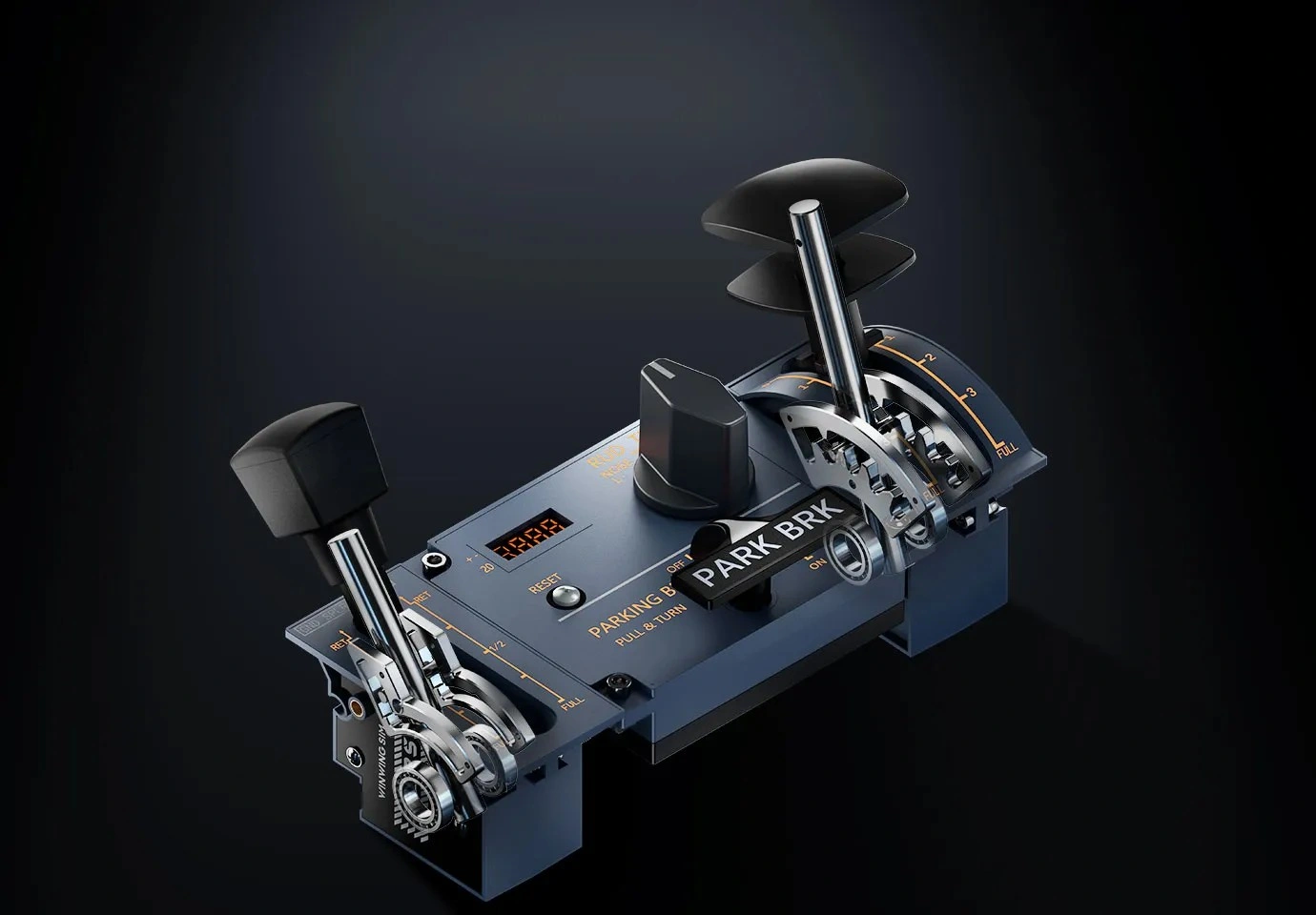
In terms of overall feel, both the throttle and PAC module leave a strong impression. The thrust levers, speed brake, flap lever, and switches operate precisely, and the throttle resistance is adjustable, allowing you to tailor the movement to preference. The detents engage with a noticeable mechanical “clunk,” clearly marking each position.
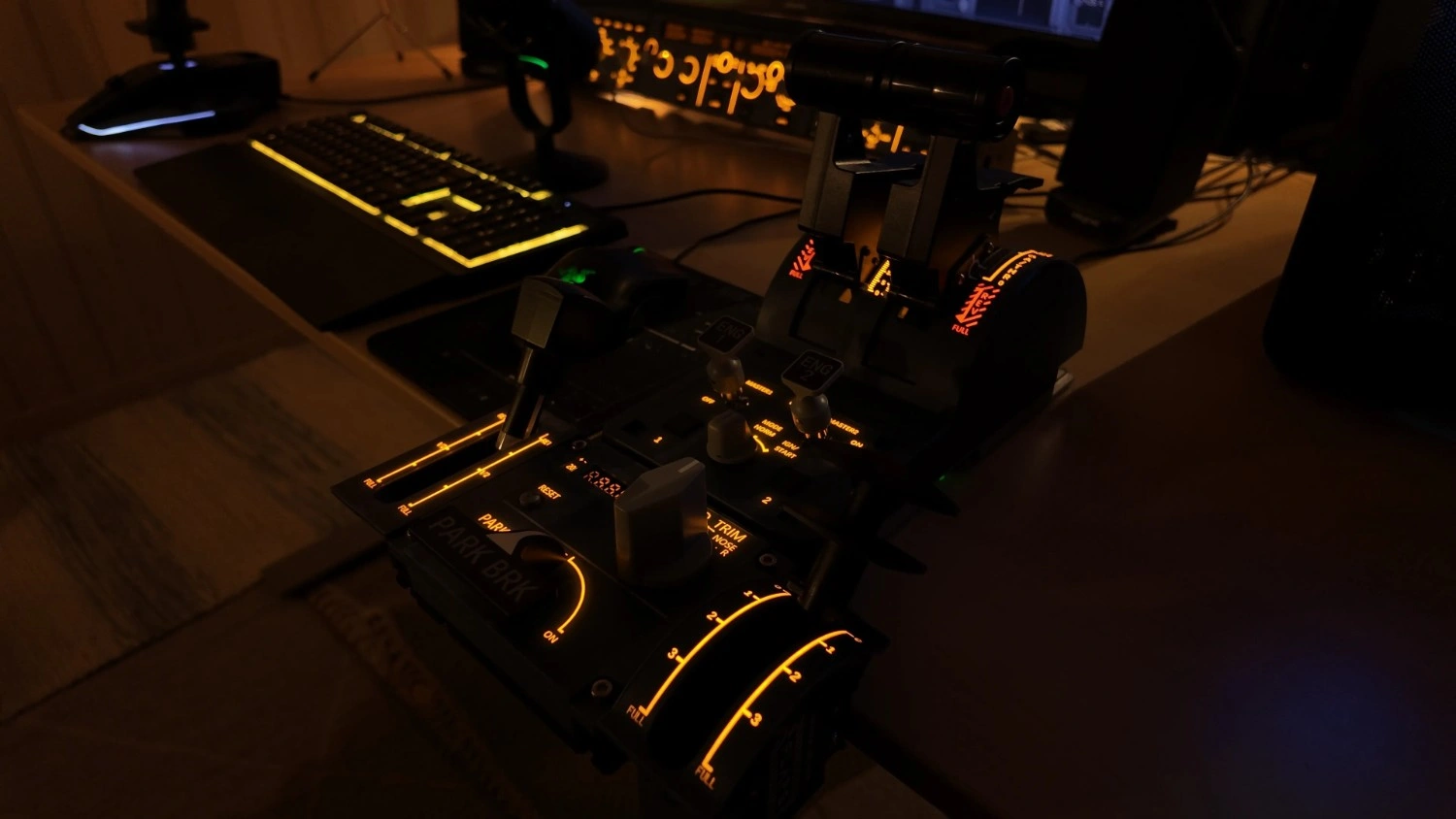
All labels and markings on the unit are crisply printed, and when powered on, the engraved text and markings are illuminated by the internal backlighting (which looks fantastic, as I’ll cover later).
As with most hardware, there are a few areas where refinement would be welcome, particularly when it comes to the plastic components. For instance, the engine mode ignition switch feels somewhat plasticky and less substantial than the primary controls.
Similarly, the parking brake lever on the PAC module, while nicely modelled with its lift-and-turn mechanism, feels comparatively light, flimsy and somewhat delicate in operation next to the main thrust levers. The functionality is there, and the real-world mechanism is commendably replicated, but the tactile impression is not quite on the same level as the core throttle assembly. Ideally, I would’ve liked a better implementation of these plastic parts, as they do indeed feel pretty fragile.
Over roughly four months of use, the throttle has generally performed well, though I did notice the detents becoming looser and less defined over time, with the mechanical “clunk” less pronounced than when new, and wearing faster than I would have expected.
Overall, the unit remains impressive in build and presence, but there is a clear distinction between the very solid metal core and some of the lighter external components.
Features and Functionality
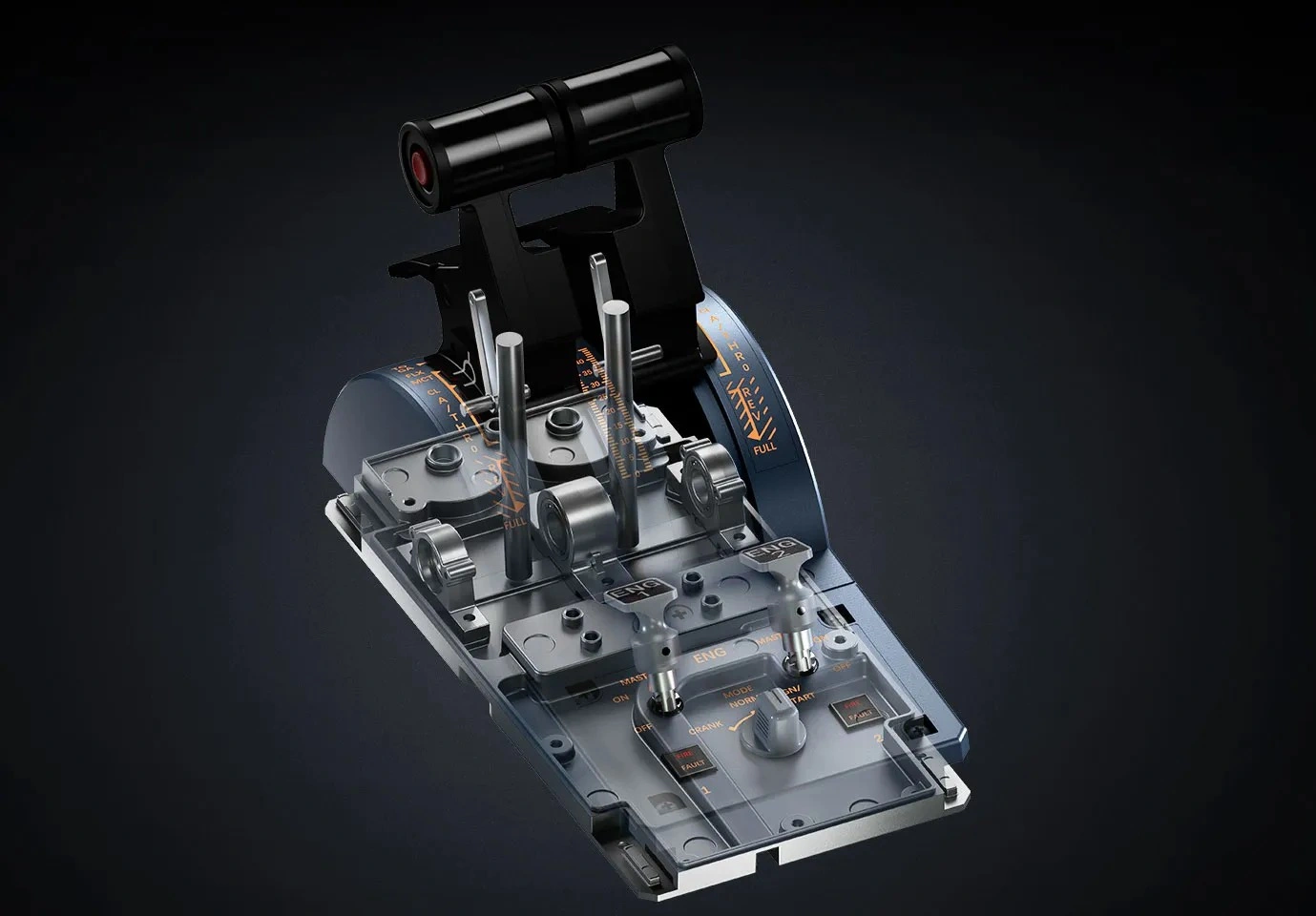
Starting with the throttle, it offers the twin throttle levers with full-range travel, and six detent positions corresponding to the REV Idle, Idle, Climb, FLX/MCT, and TOGA power settings, which the levers click firmly into.
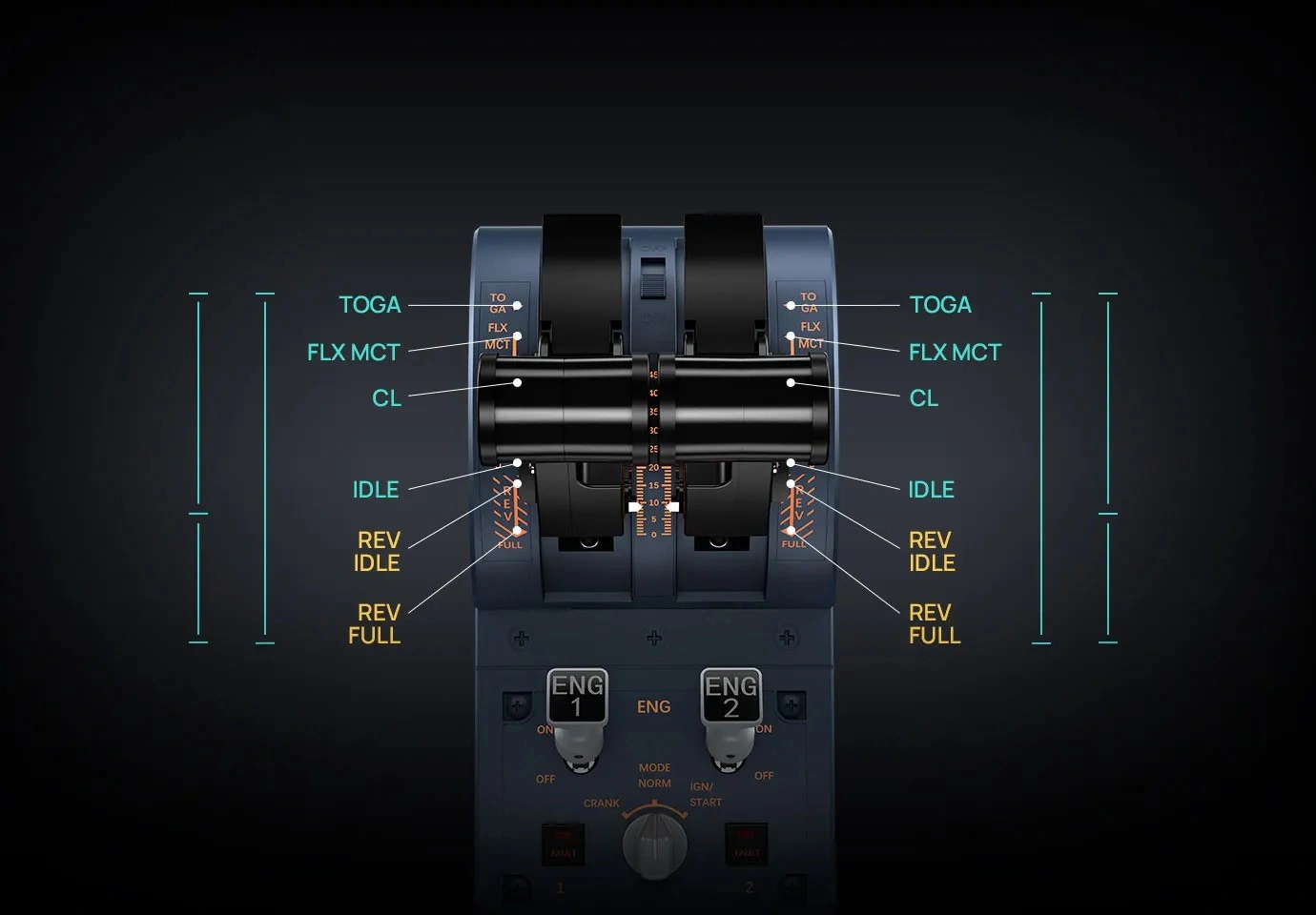
When engaging reverse, there is a physical gate, and a reverse thrust latching mechanism: just like the real aircraft, you lift the spring-loaded reverse levers (mounted on the front of each throttle handle) to pull the throttles into reverse, and they will stay raised while in the reverse range. This means you cannot accidentally go into idle; you have to deliberately lift or release the latch to transition between reverse and forward thrust.
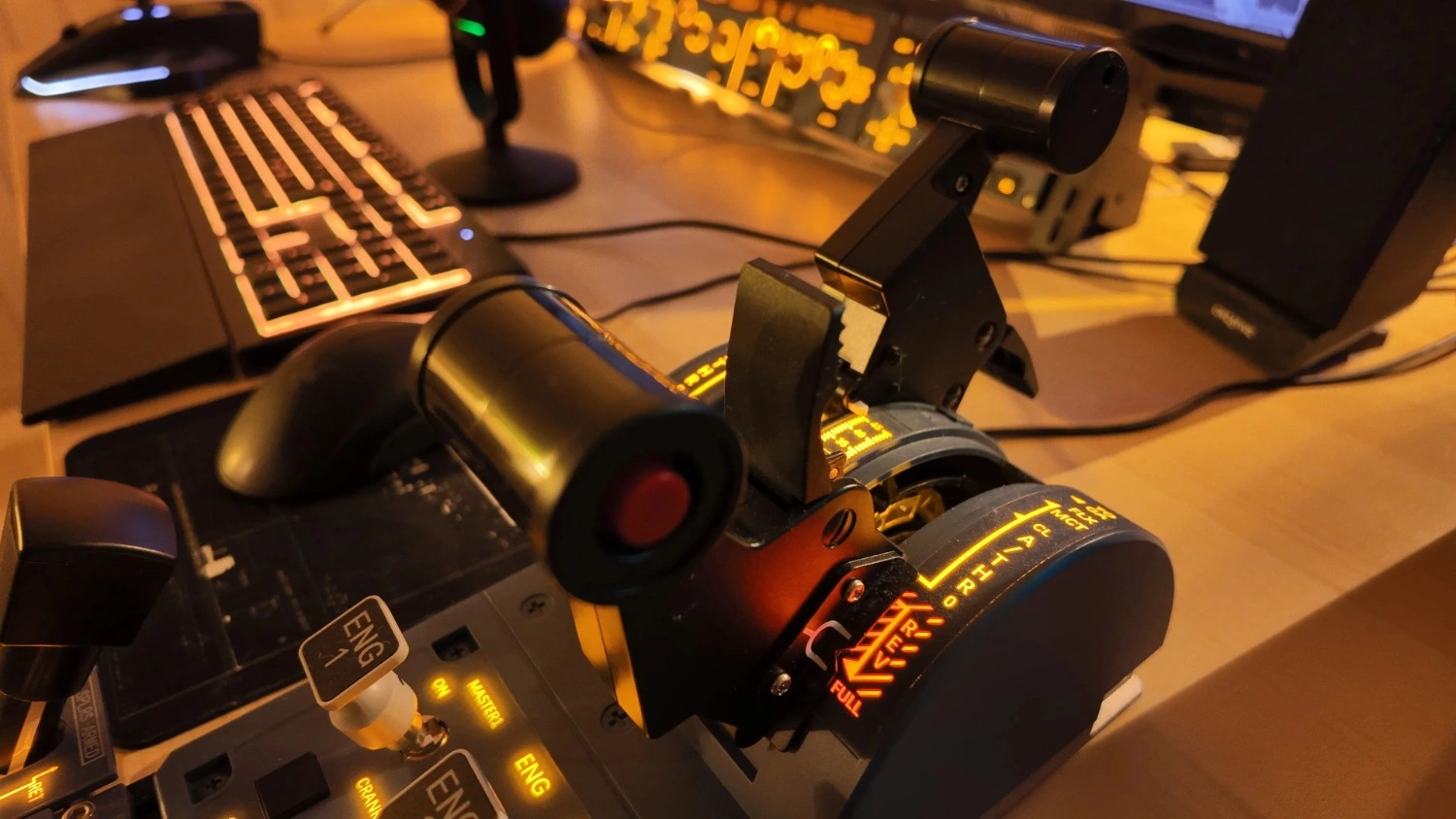
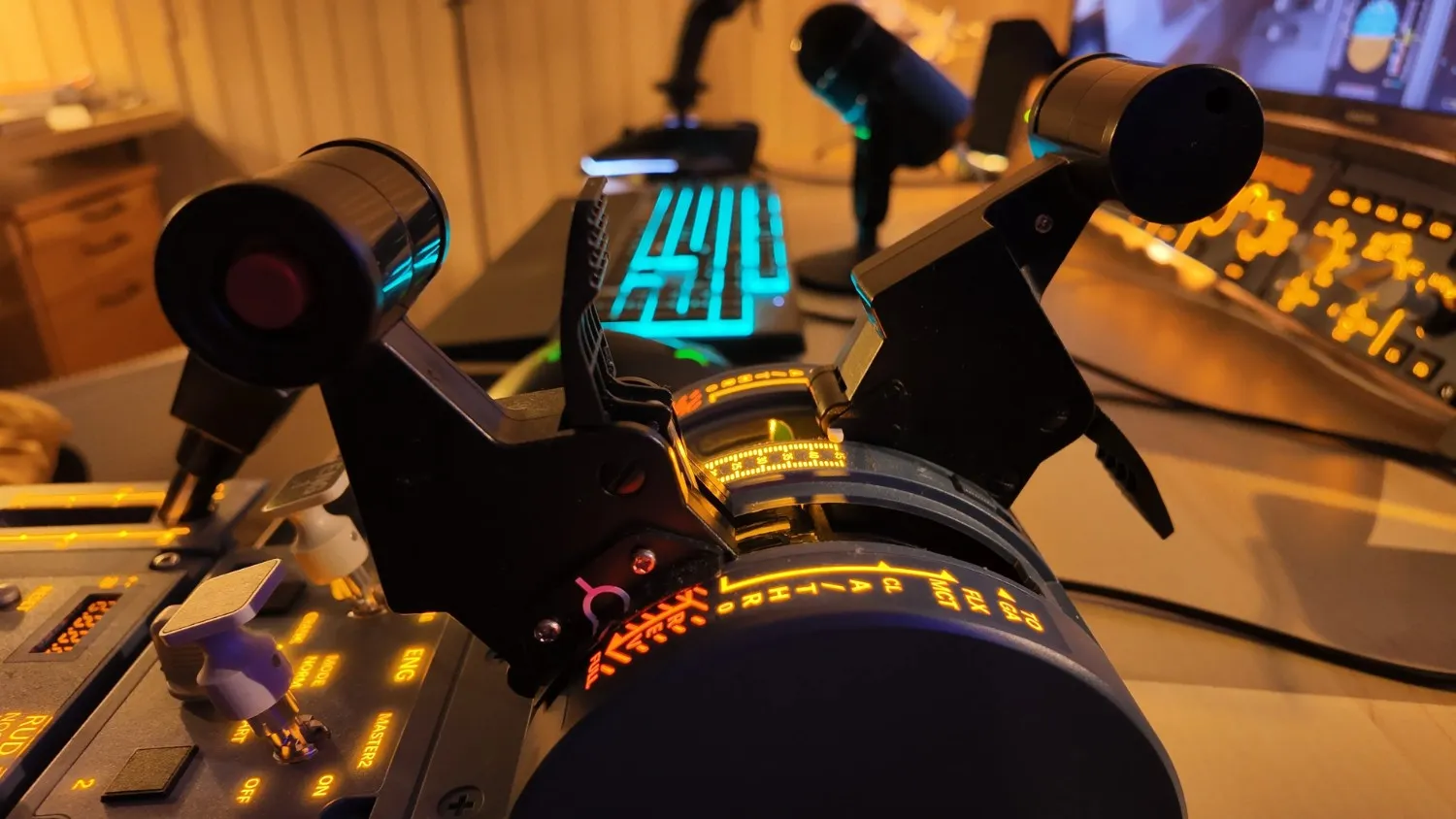
The throttle also features adjustable damping knobs for each lever, allowing you to dial in how stiff or loose the lever movement feels.
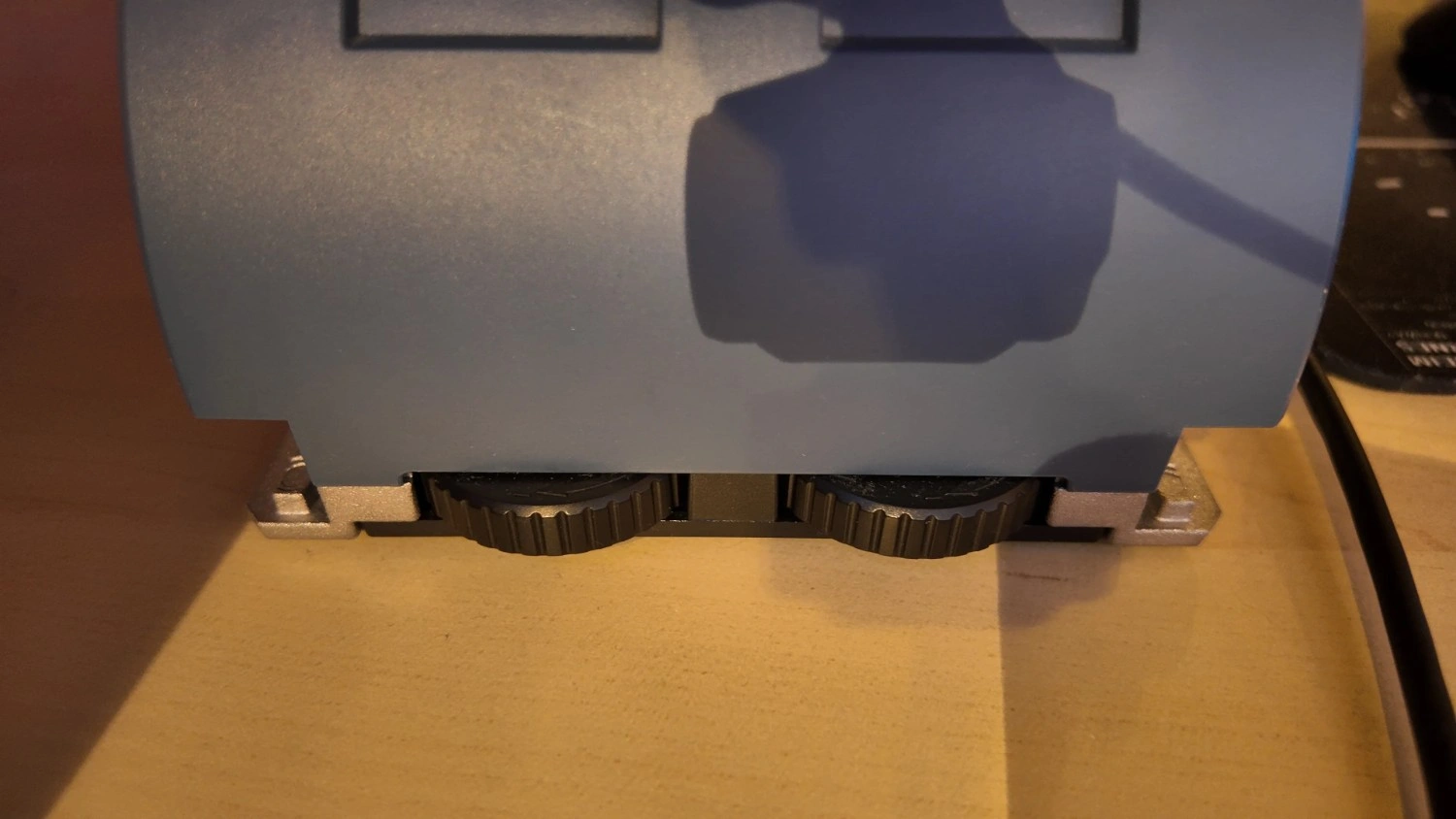
Another handy feature is a detent disable switch: a small slider on the forward base that lets you turn off the detent gates entirely. Flip it, and the throttles will travel smoothly from Idle to TOGA, without catching at any detent, useful for when you want to use this hardware with planes that do not match the Airbus detent scheme (more on that later).
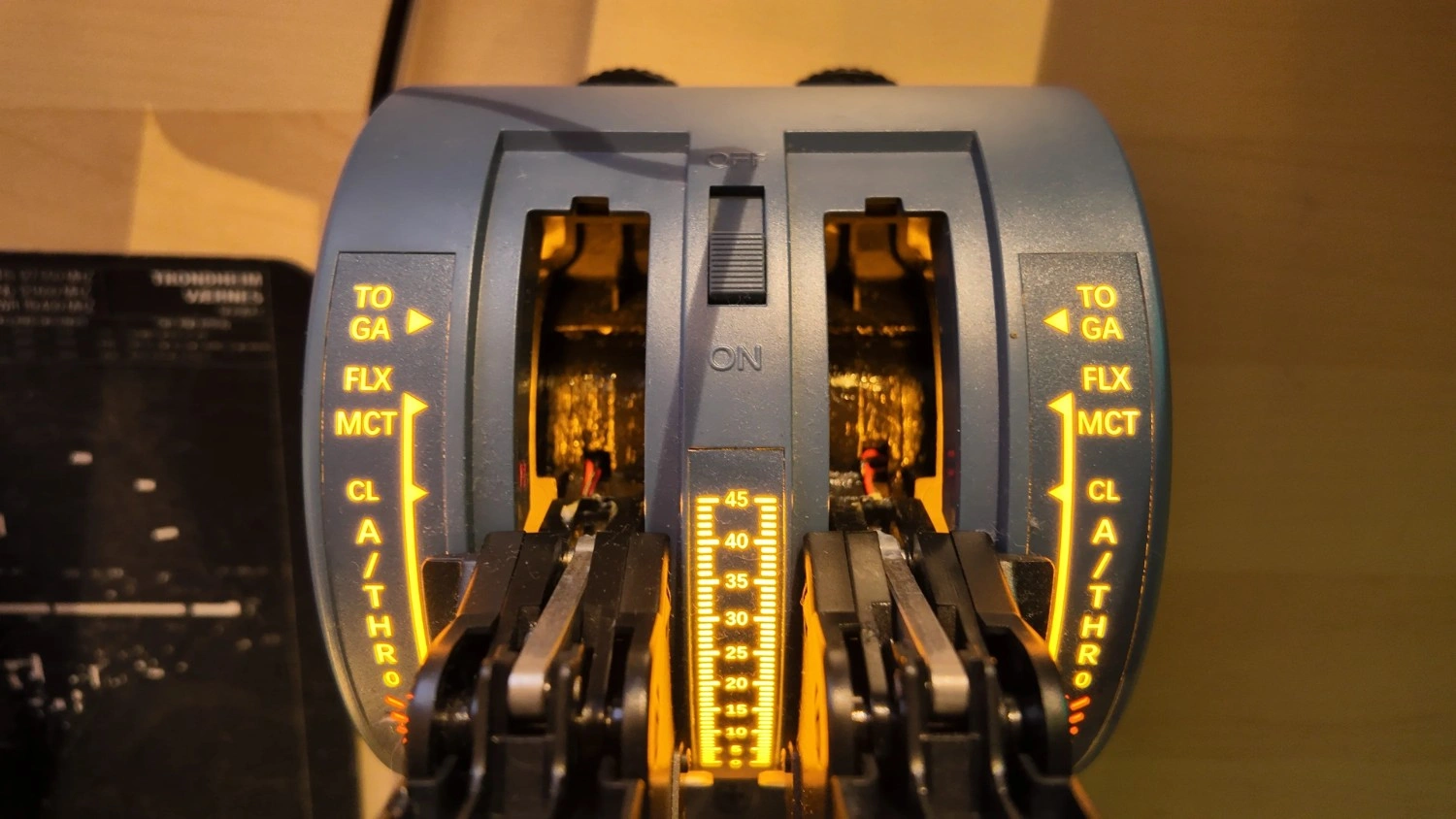
The throttle unit also includes the two red autothrottle disconnect buttons (one on each lever’s forward face). These require a firm press and have some springiness to them, so you won’t hit them by accident.
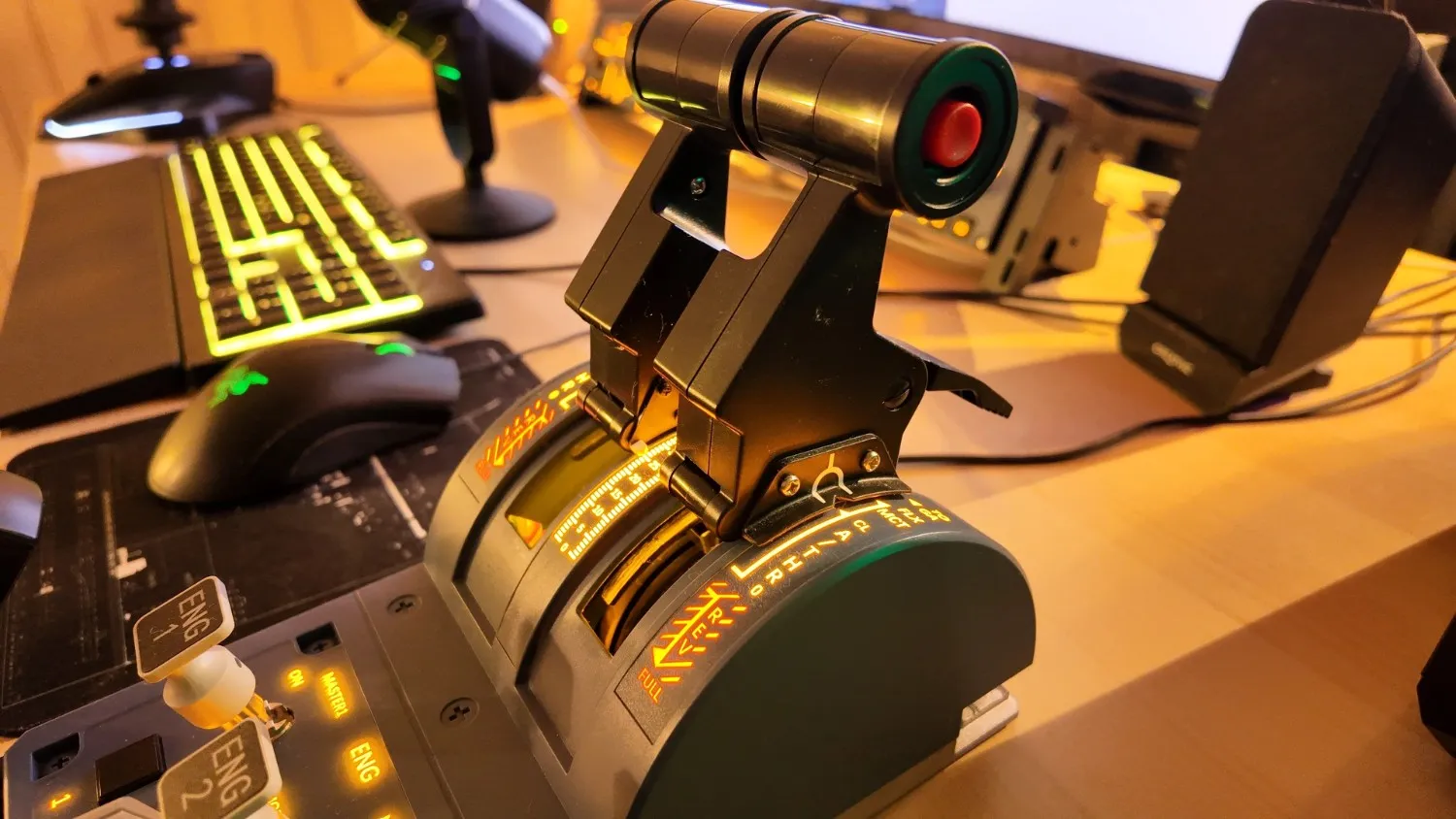
On the base, you will find the Engine Master switches, which actually have lift-to-operate safety guards, meaning you must pull the switch up over a latch to move it between OFF and ON, something I have not seen before in competing products in the same price range.
There is also the aforementioned three-way engine mode selector (IGN/START/NORM) knob, and a small push-button for the emergency parking brake indicator test.
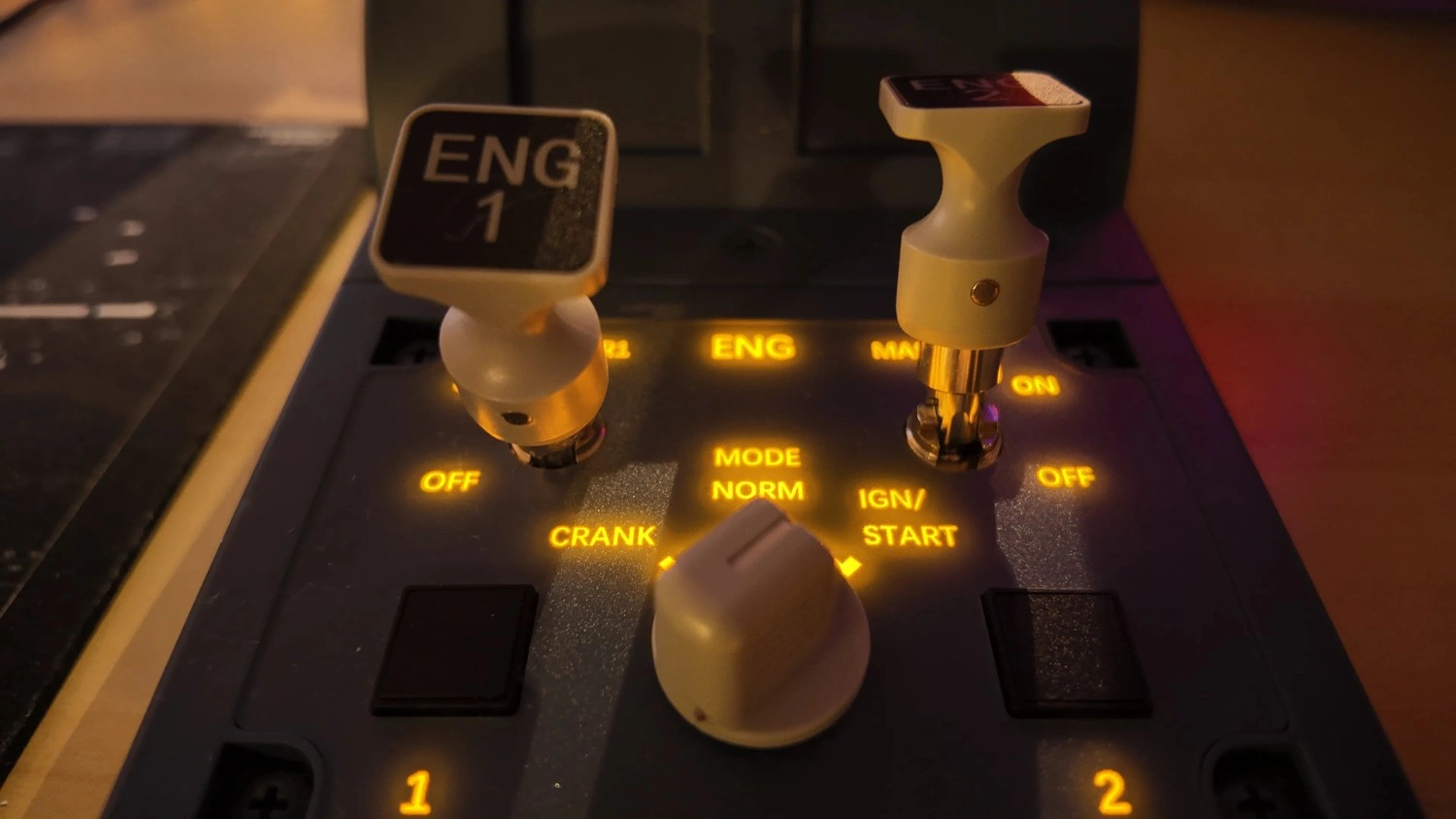
When powered, all the lettering around these switches and levers is backlit. In fact, the URSA Minor has sim-synchronised white backlighting throughout, meaning it can automatically adjust brightness in tandem with your simulator’s controls. For example, it will dim or brighten along with the aircraft’s console lighting. This backlight sync is implemented via the WINCTRL SimAppPro software and really enhances immersion when flying at night.
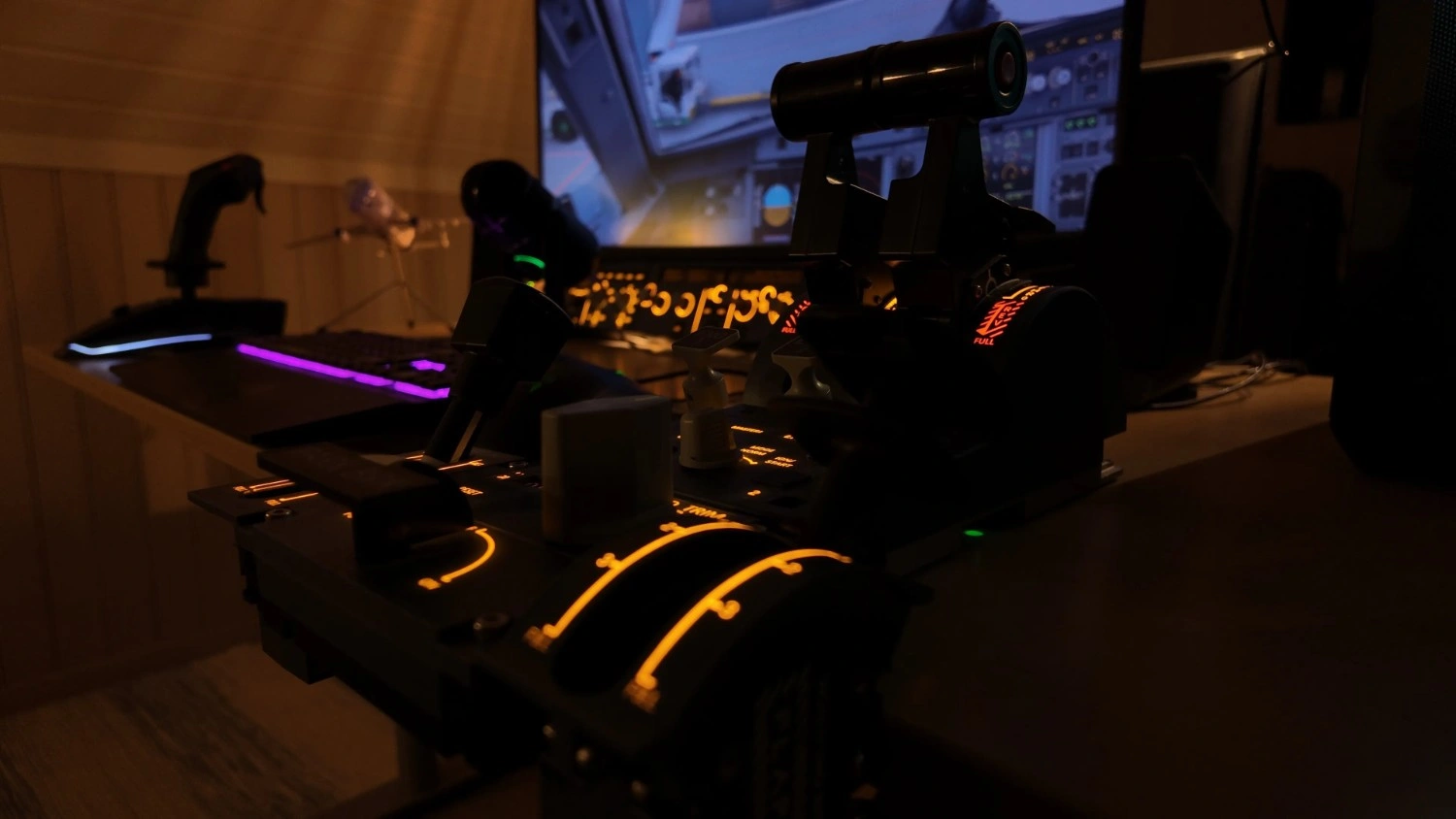
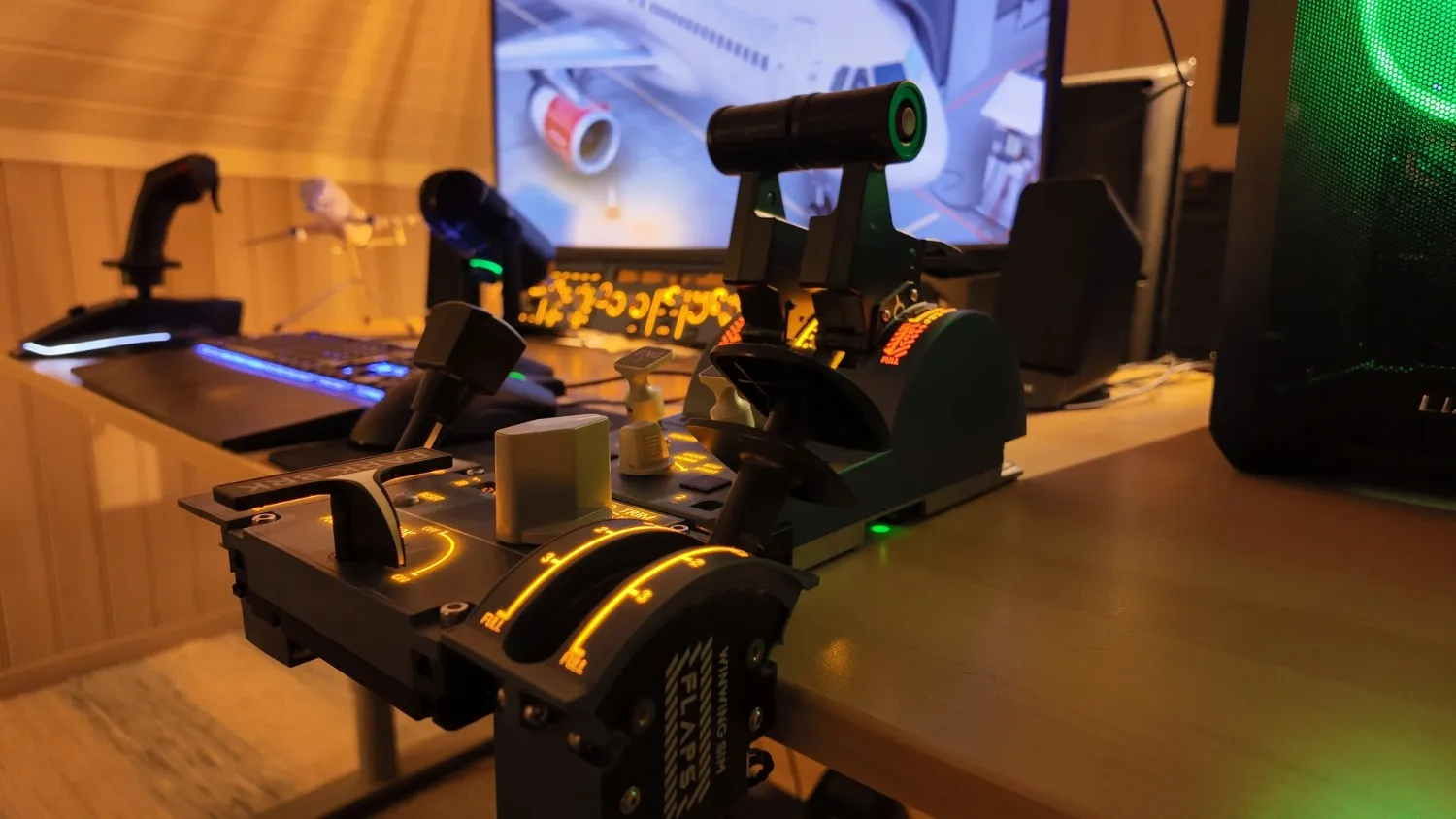
Furthermore, the throttle includes dual vibration motors, one per lever, which can be configured to shake the levers in response to events like engine start, engine spool-up, or turbulence. Not many consumer throttles offer this feature, and while I am not sure how realistic it is in every scenario, it worked reliably in my testing (when supported by the aircraft profile).
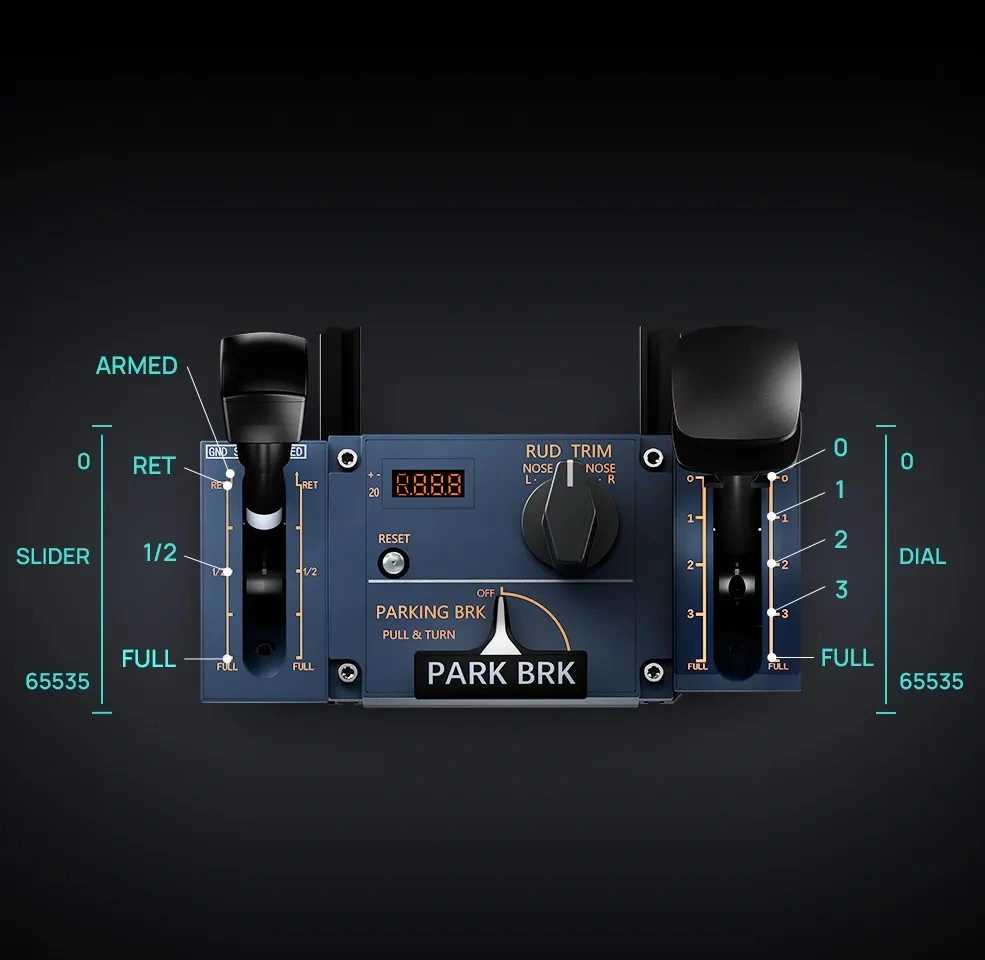
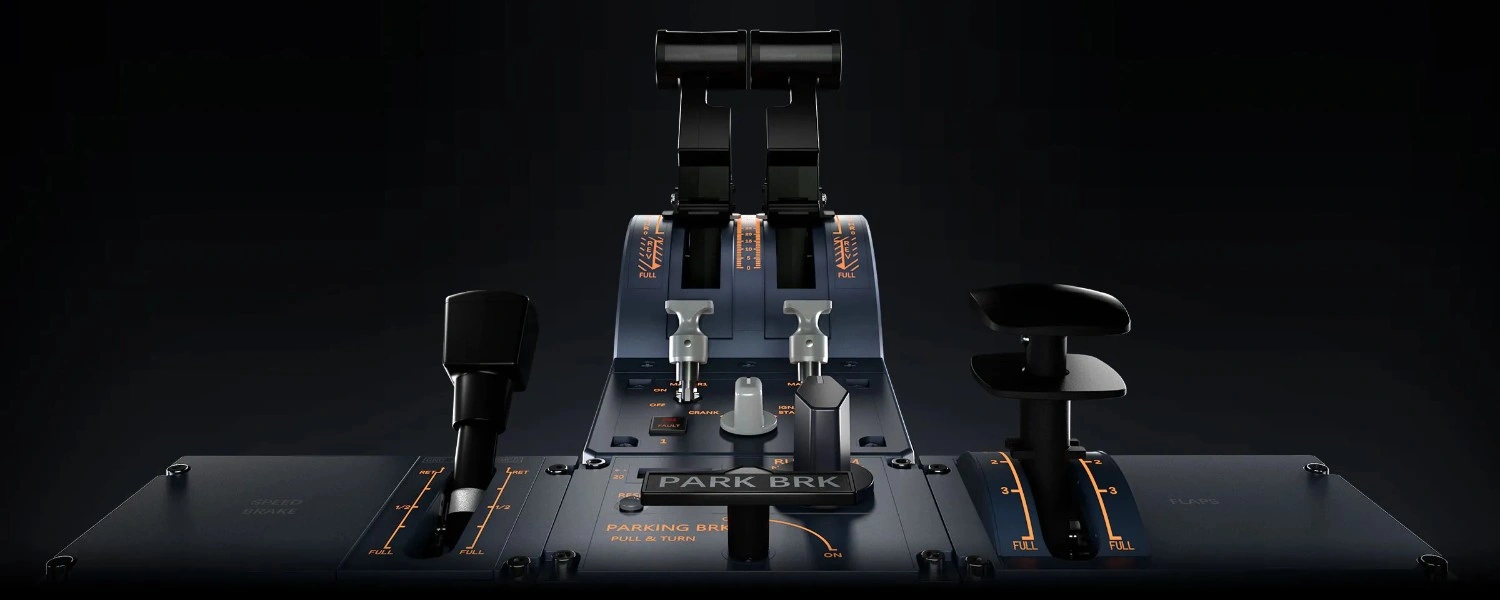
Moving to the 32 PAC Metal add-on module, this unit attaches to the throttle, and provides the remaining controls of an Airbus A320 throttle quadrant. It features a large Speed Brake lever and a Flaps lever, both made of metal and plastic, with full-travel arcs and authentic gated positions.
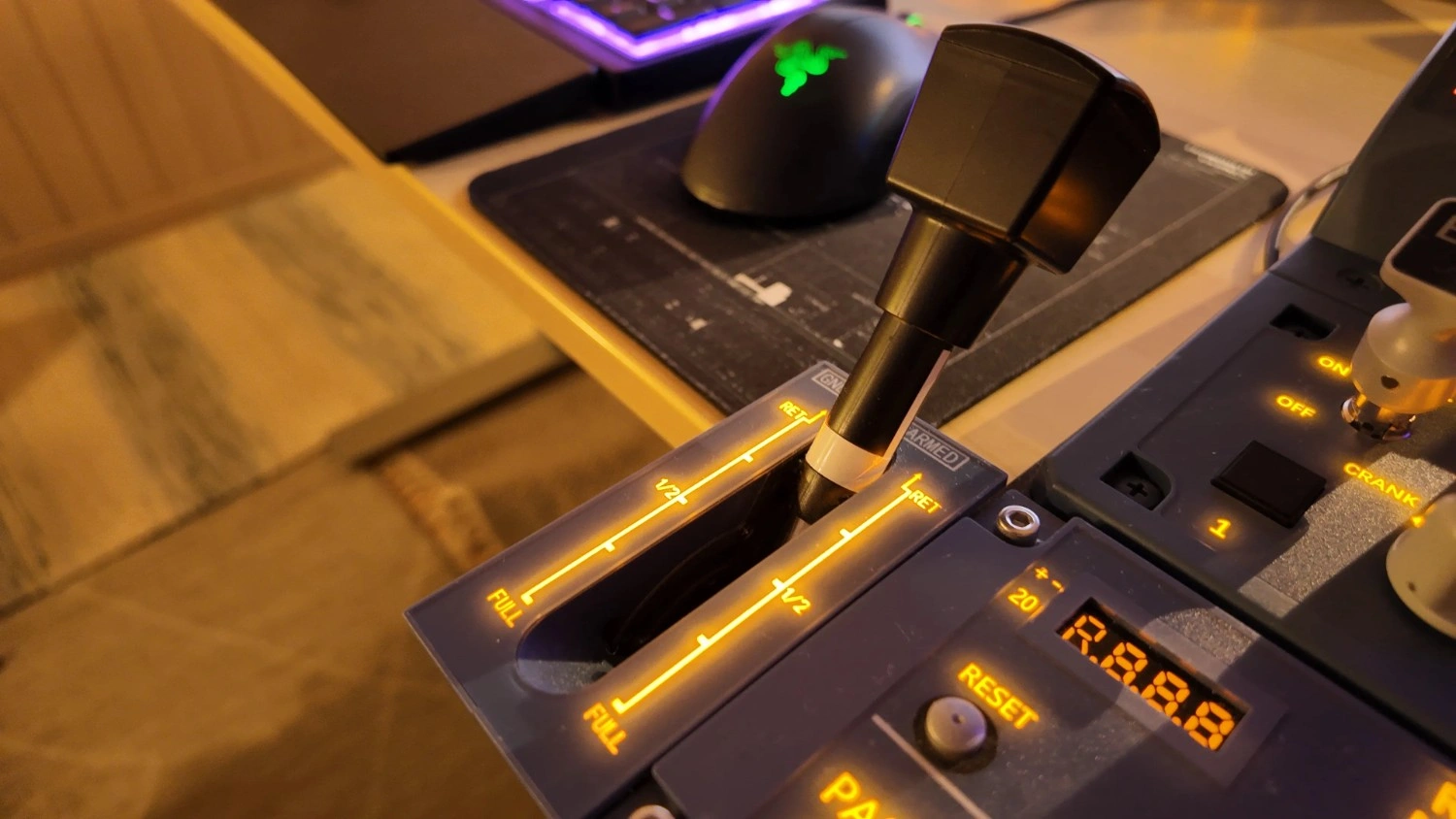
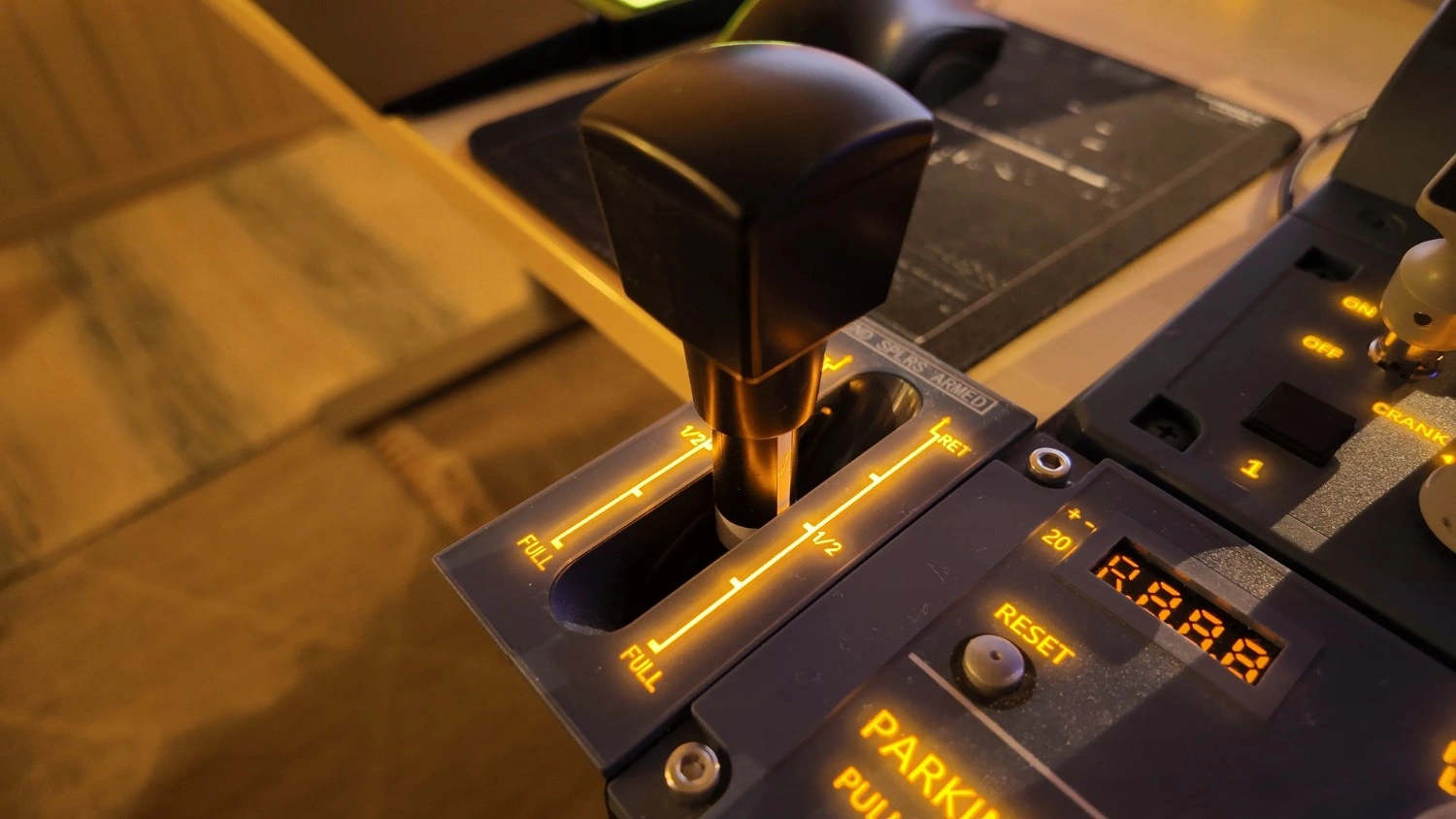
The speed brake lever again has the real Airbus functionality, where you must press down on the lever’s handle to move it out of the retracted (0/ARM) position.
In other words, you cannot accidentally deploy spoilers without pushing down to unlock the lever, just like the lift-and-deploy action in the actual aircraft. It also has a tactile halfway detent to indicate the spoiler’s half-extension position. This detent is easy to feel, so you can deploy to 50% without looking.
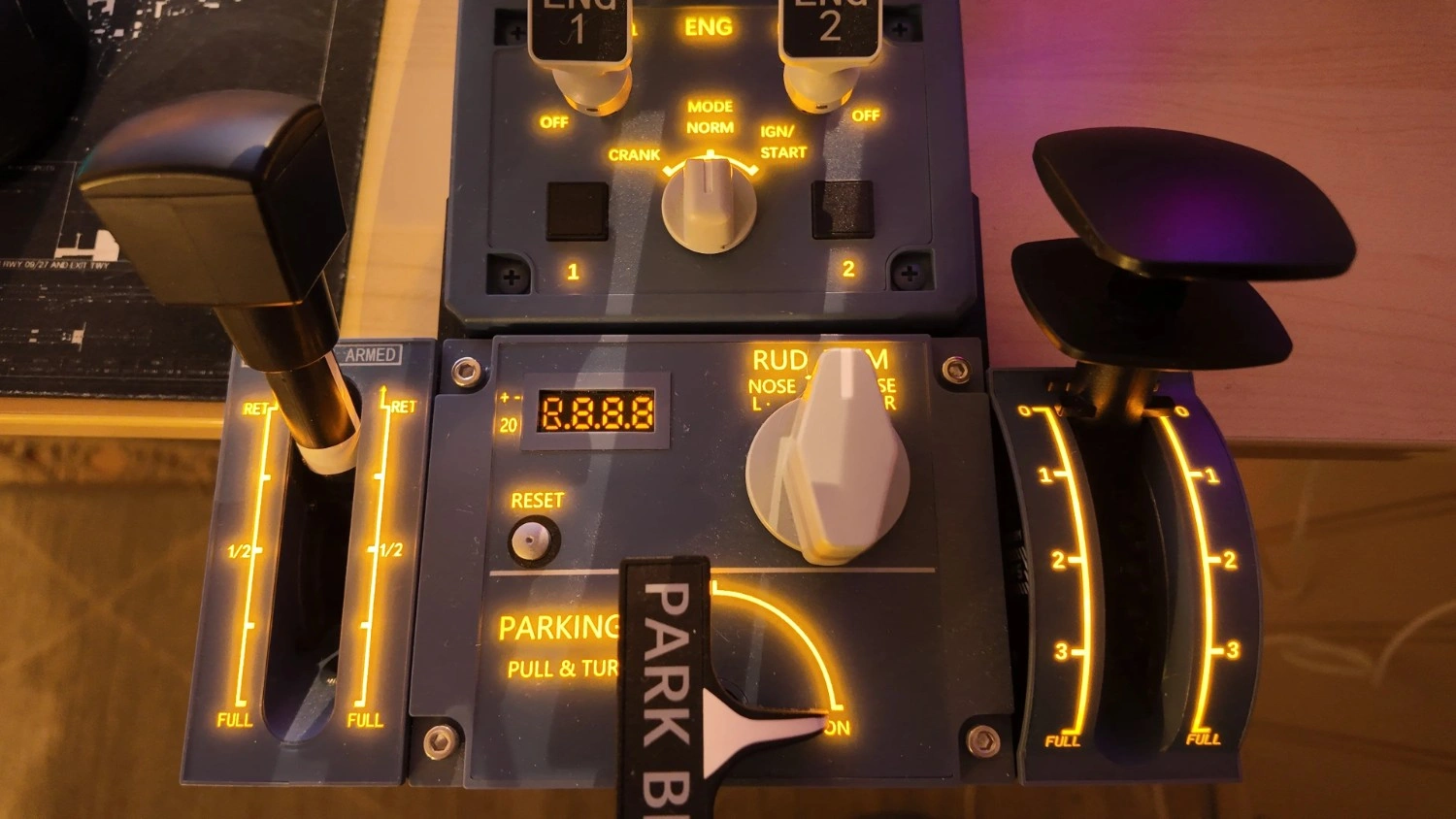
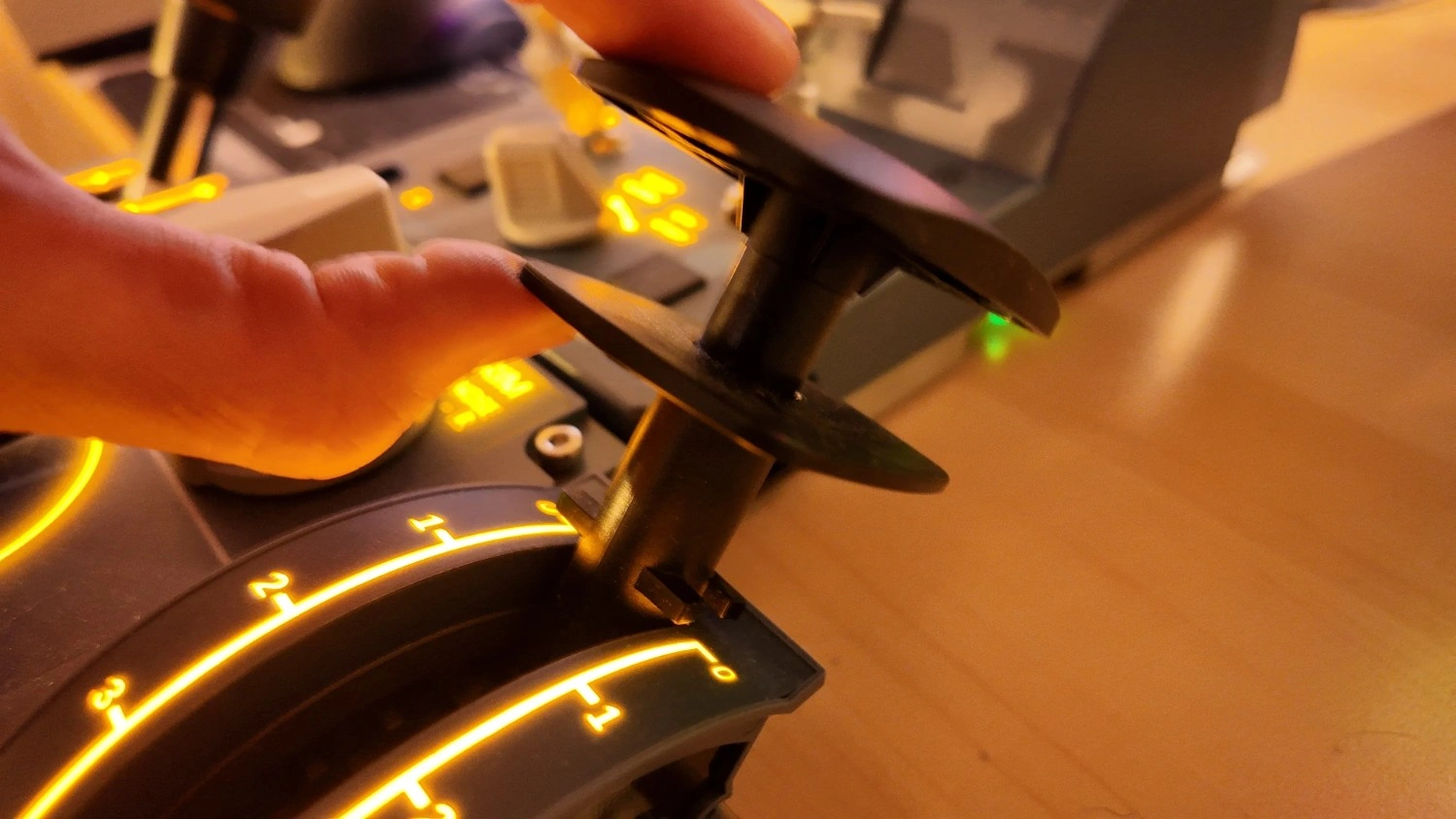
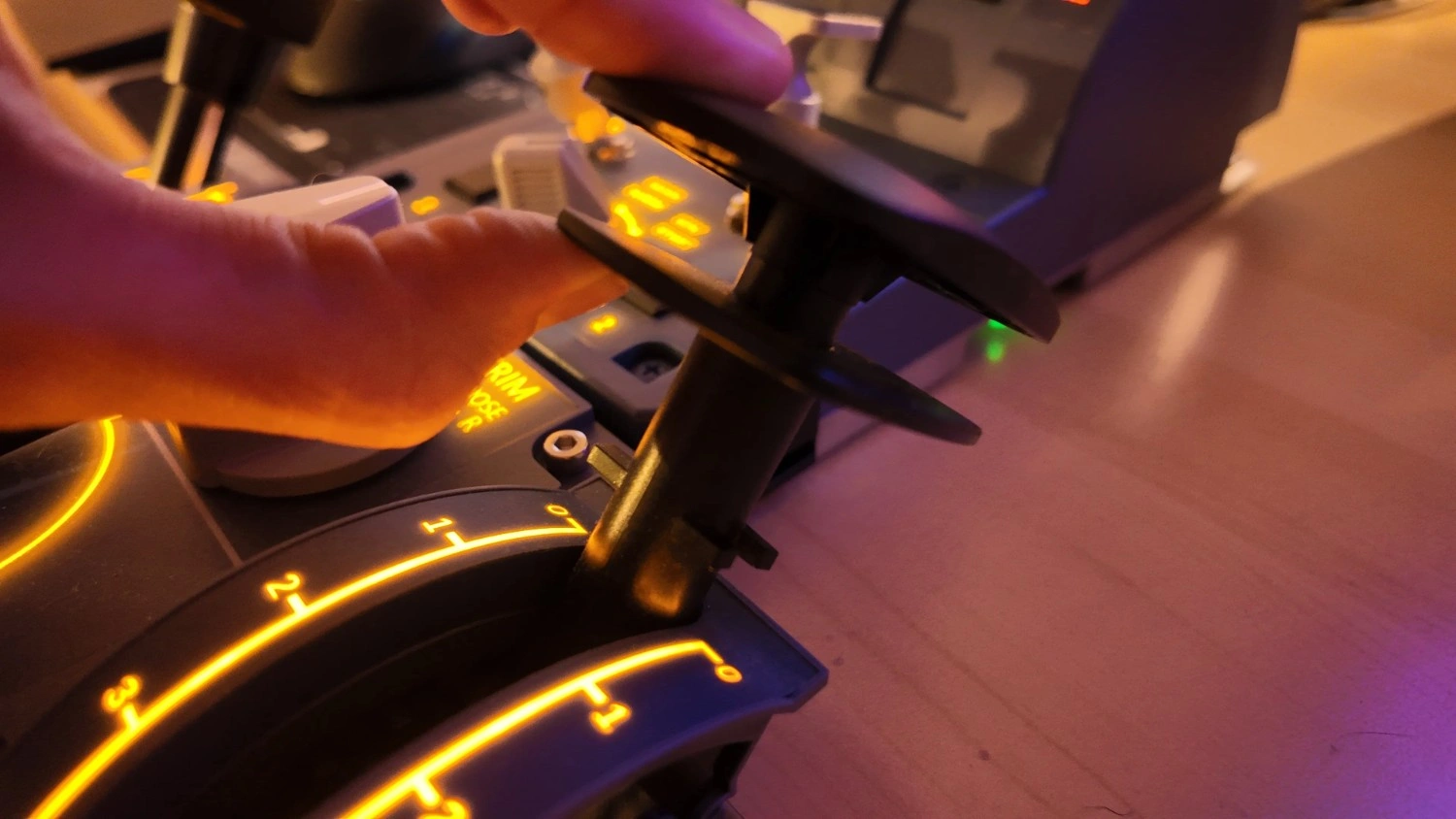
The flaps lever on the PAC module likewise mimics the Airbus gate logic. It has five notches, corresponding to flaps 0, 1, 2, 3, and FULL, and mechanical lockouts that prevent sudden unintended movement across multiple settings. For example, there is a little finger gate you must lift to go from flaps 0 to 1, and similarly, a lock to prevent skipping from flaps two directly to 0. This means you have to consciously move through each flap setting in order; you cannot accidentally retract flaps from Full to zero in one swoop.
The PAC module also includes a spring-loaded rudder trim wheel with a central trim indicator display. You can dial in left or right rudder trim and press the wheel to reset; the wheel’s built-in indicator moves and can even sync with the in-sim rudder trim value on supported aircraft.
Lastly, the PAC adds a replica parking brake lever with the correct pull-and-turn operation to set or release the parking brake. You pull it out, rotate it, and it locks in place, albeit, as mentioned earlier, the lever is lighter.
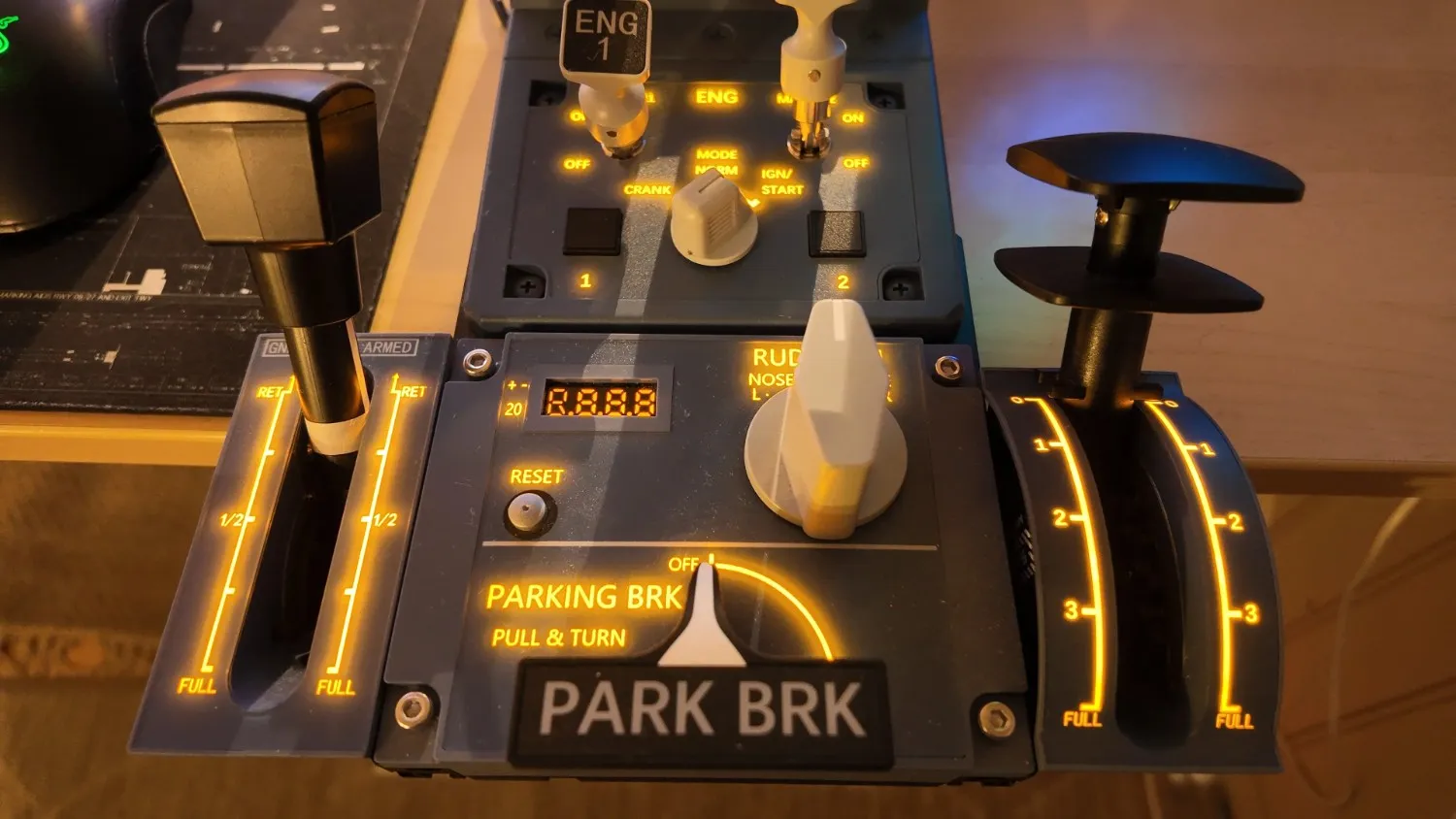
Again, it is important to note that the PAC is purely an add-on, so it must be connected to the main throttle to work (it has no USB of its own).
For testing, I primarily used the Fenix A320 family for MSFS 2024. I also tried the ToLiss A321, A339, A340 and Microsoft A330.
Realism and Immersion
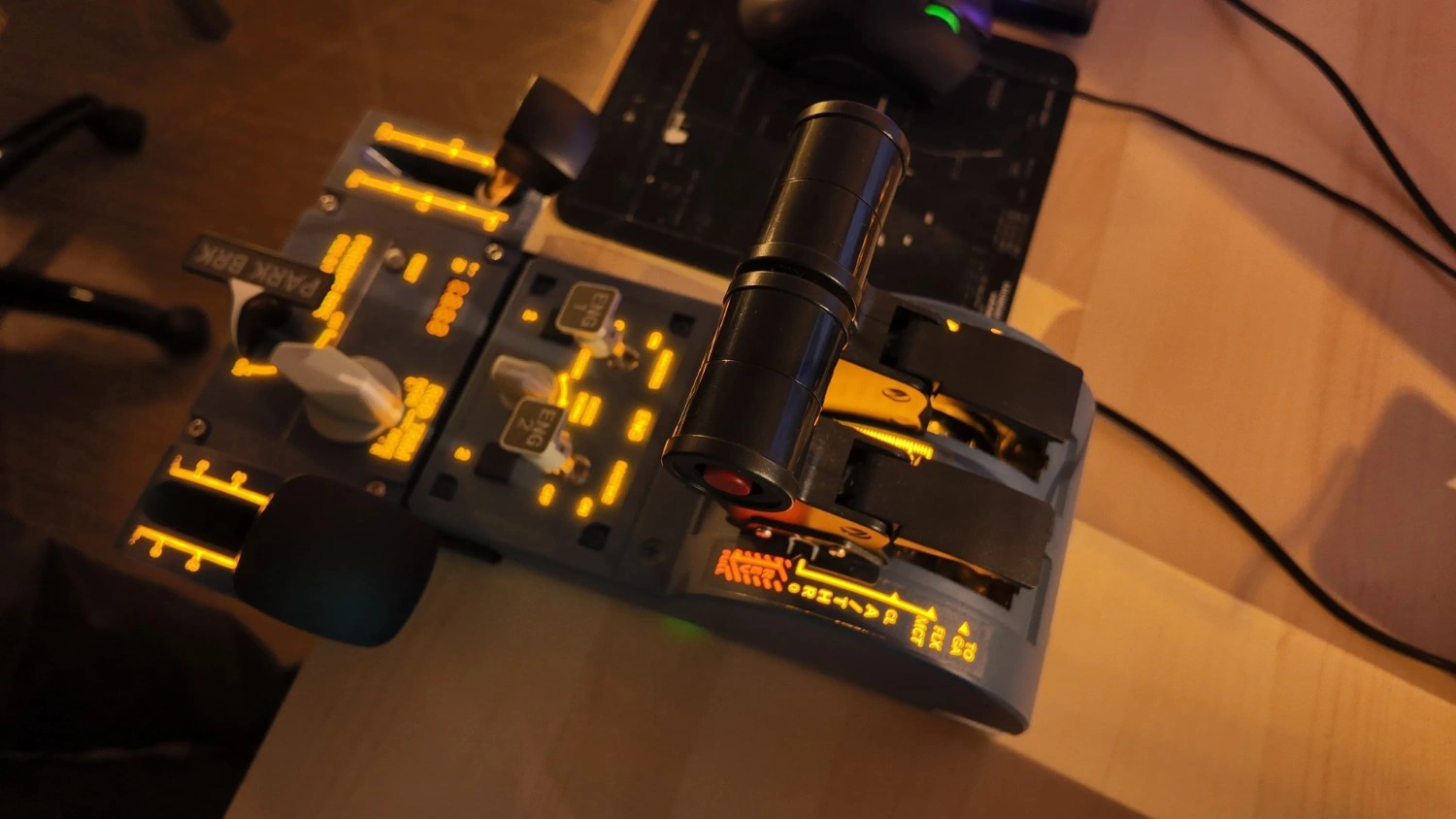
In my experience, using the URSA Minor throttle combo is extremely satisfying.
Compared to simpler consumer throttles, the physical interlocks, lever resistance, and mechanical steps make the unit feel far more immersive, and it is great to see this level of depth reaching consumer-grade hardware, something that has, historically, been limited to very high-end, niche products. Smaller details also stand out, such as the synchronised backlighting.
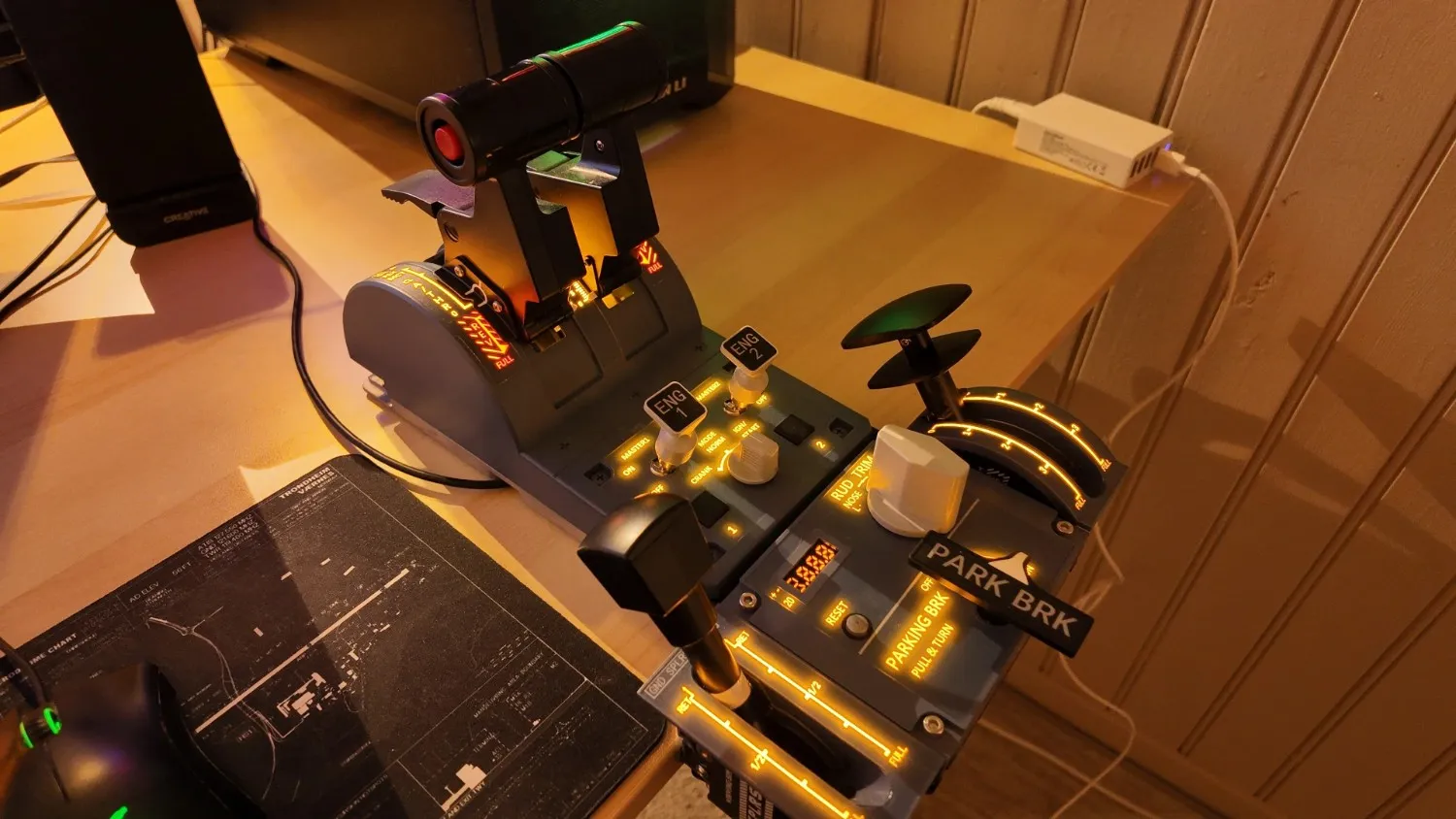
The URSA Minor feels larger, heavier, and mechanically more substantial. After extended use, it becomes very easy to forget you are interacting with a desktop device, and while I cannot speak to real aircraft accuracy, from a simulation immersion standpoint, this setup feels exceptionally convincing and cohesive to operate.
Pricing
At $131.79 for the URSA Minor 32 Throttle Metal and $111.19 for the 32 PAC Metal add-on, or $242.98 for the full combination, the package stands out in its price bracket.
Compared to similarly built products that often cost far more, the URSA Minor and PAC combination delivers a level of immersion and mechanical depth that was perhaps reserved for much more expensive hardware.
In that sense, WINCTRL has managed to offer a genuinely high-end Airbus throttle experience at what is effectively a mid-range price, making it a very compelling option for serious simmers.
Verdict
Overall, this is one of the strongest Airbus throttles in the consumer market. It feels cohesive, tactile, and purpose-built, while remaining competitively priced. There are some compromises, the unit is slightly scaled down from real-world dimensions, smaller controls like the ignition selector and parking brake feel less substantial, there are minor wear considerations, and SimAppPro can require patience, especially if switching between aircraft types.
Even so, these drawbacks are relatively minor in an otherwise well-executed design. For dedicated Airbus simmers, particularly those upgrading from entry-level hardware, I can confidently recommend the URSA Minor 32 Throttle Metal and 32 PAC Metal, as the build quality, feature set, and overall experience clearly justify the investment.
If you frequently fly a wide range of aircraft and want a single universal throttle, it may be worth considering your needs carefully. For Airbus-focused flying, however, this unit sets a very high bar, and after extended use, it is difficult to imagine flying the A320 without it.
Strengths
- Excellent metal-heavy build quality with a solid, premium feel
- Highly immersive Airbus-style logic, including firm detents, gated flaps, lift-to-engage switches, and realistic interlocks
- Smooth Hall-effect sensors with adjustable tension and optional detent disable for flexibility
- Thoughtful extras like synced backlighting, vibration feedback
- Simple cable management with single USB connection
- Very competitive pricing relative to build quality, alternatives and feature set
Considerations
- Some smaller controls, especially the ignition selector and parking brake, feel plasticky and flimsy
- Requires proper mounting for best stability due to strong detents and push-down mechanisms
- SimAppPro software has a learning curve, and multi-aircraft use requires profile setup
- Some wear-and-tear issues over prolonged use
You can purchase a unit for yourself here.
A big thank you to WINCTRL for providing us with hardware to review!
If you enjoy our content and want to support Threshold, consider joining us on Patreon!